 By
We may earn a commission if you buy through links on this page, at no extra cost to you. This never affects which products we recommend. How we make money.
On this page 7 sections
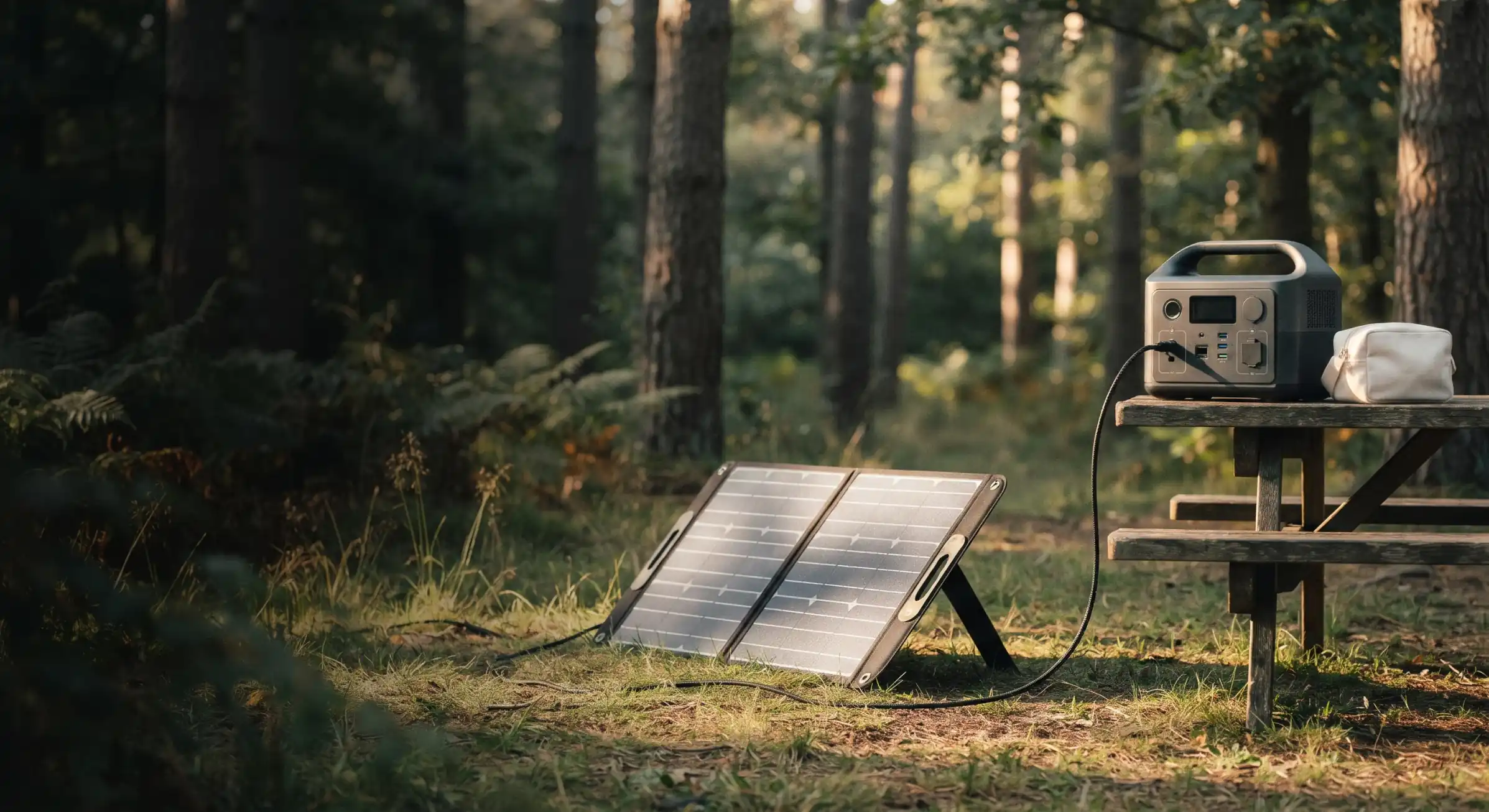
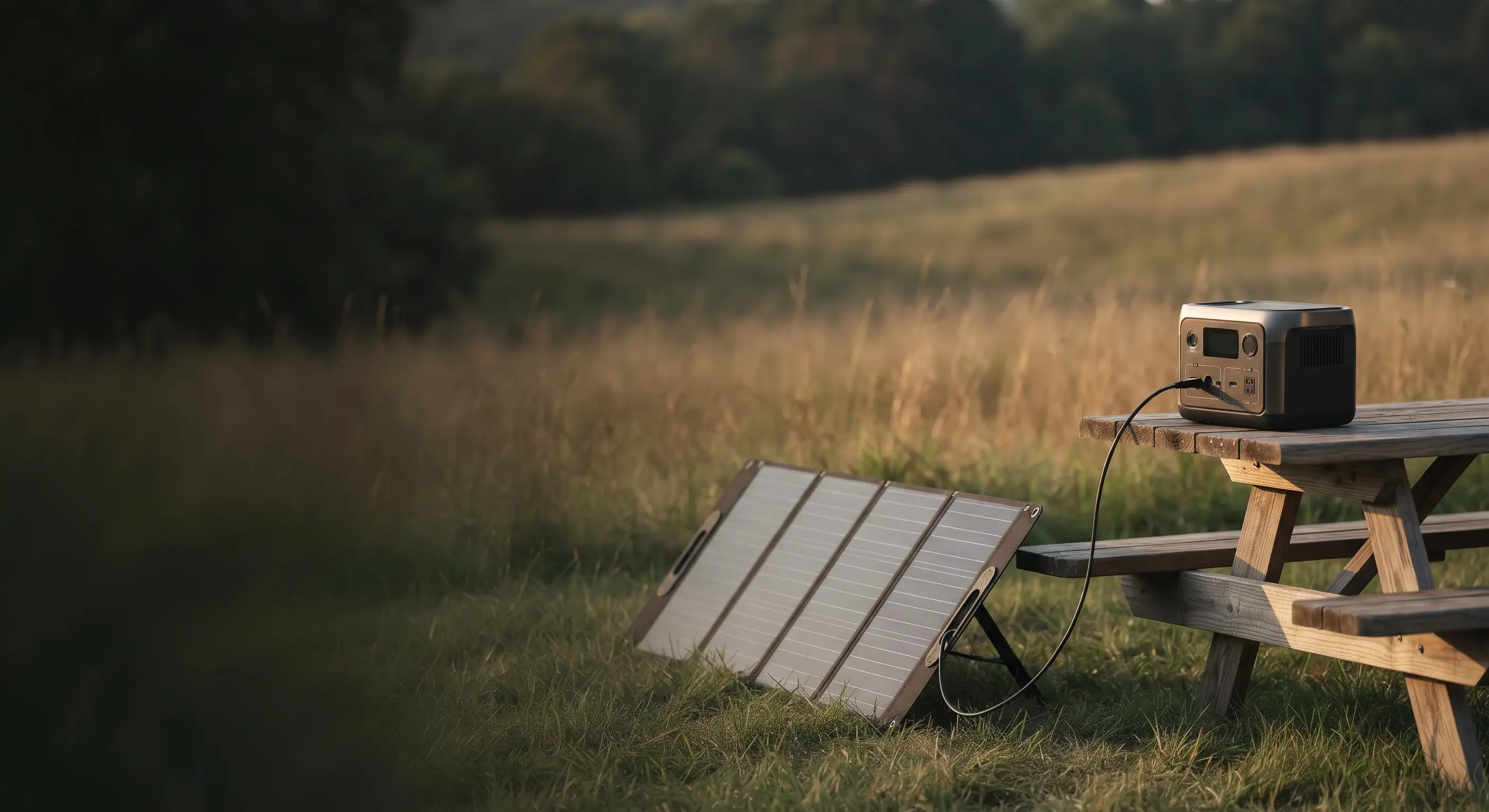
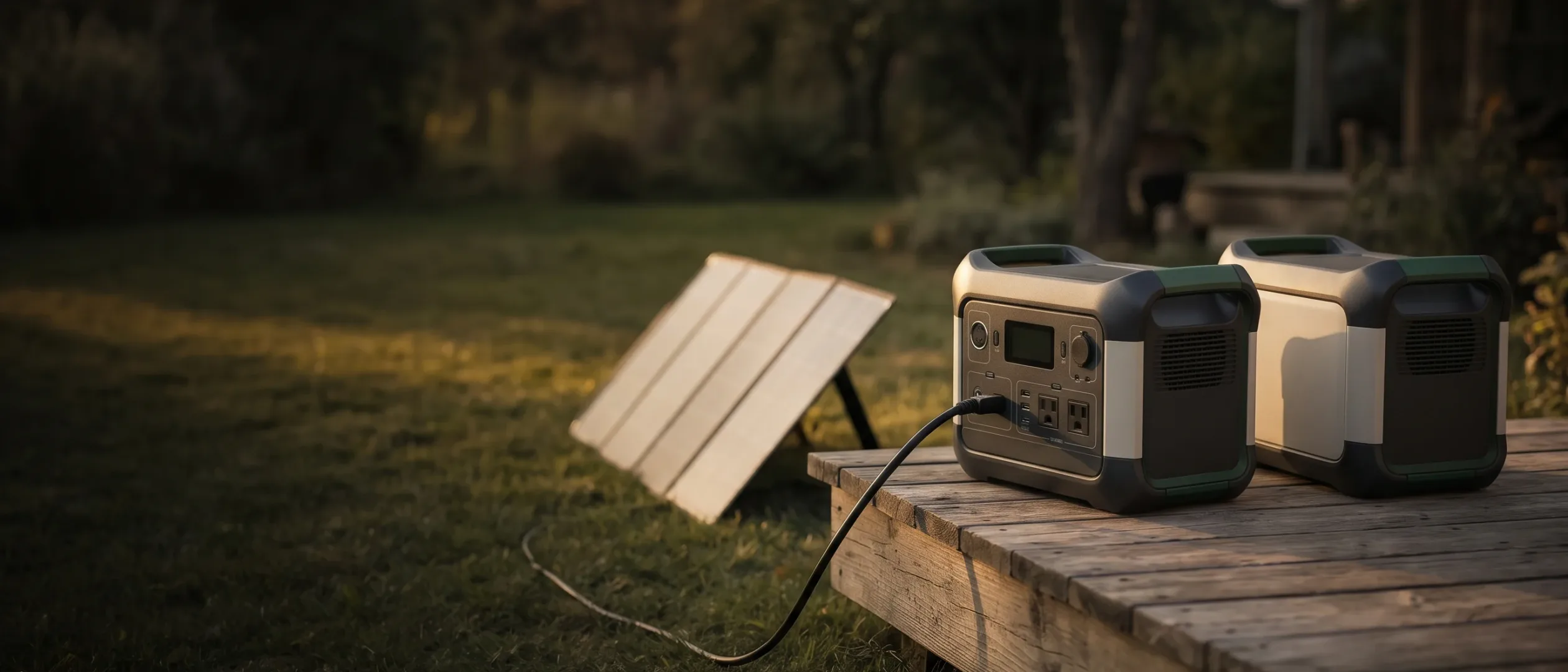
A solar generator is a portable power station sold together with solar panels. There's no engine and no fuel: the "generator" is the battery station, and the panels recharge it.
What a solar generator actually is
A bundle, not a different machine
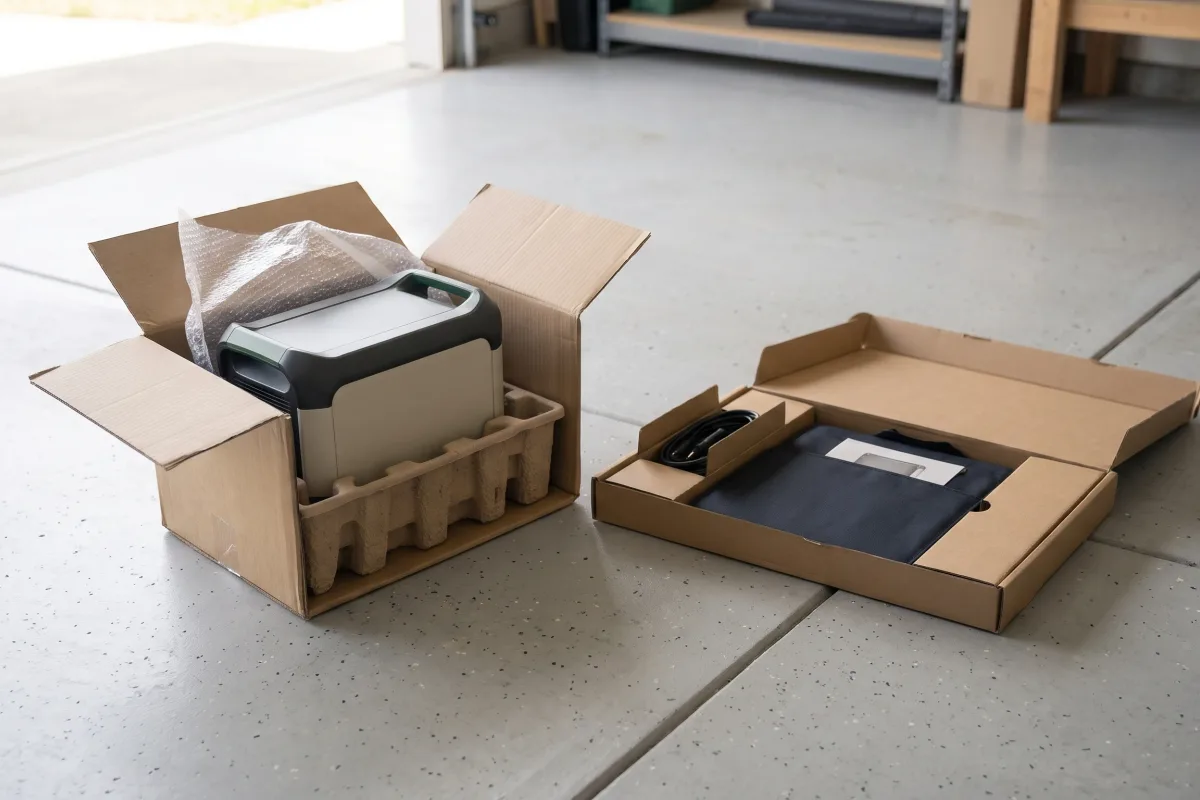
A portable power station holds a battery, an inverter for household outlets, and a built-in solar charge controller. Add folding solar panels and the cable that joins them, and brands call the set a solar generator.
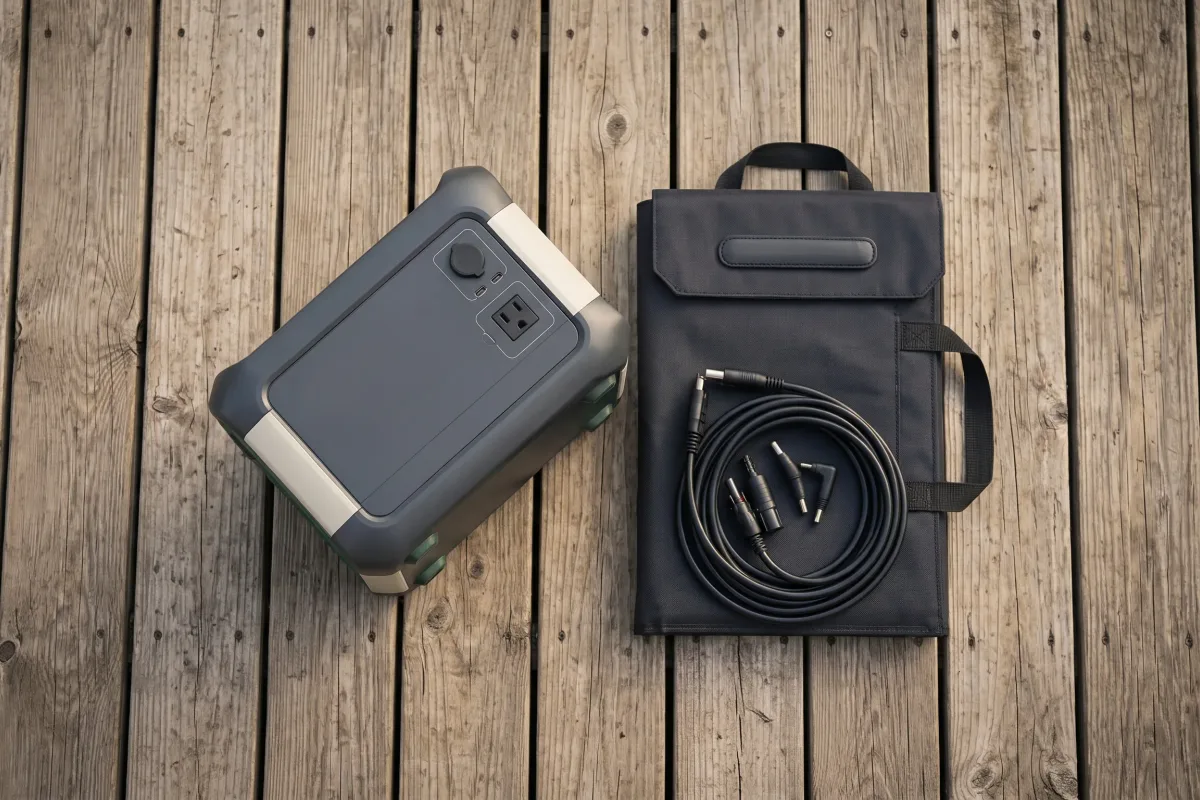
So the difference is what's in the box. The station inside a solar generator is the same one sold on its own. Unlike a gas generator, it makes no exhaust and can sit indoors while the panels stay outside.
Solar generator vs power station at a glance
Same station, different box
| Feature | Portable power station | Solar generator |
|---|---|---|
| What's included | Station and wall charger | Station, solar panels, solar cable |
| Ways to charge | Wall, car, solar (panels sold separately) | The same, with panels included |
| Flexibility | Choose any compatible panels | Panels matched for you |
| Best for | Outages with grid power nearby | Off-grid use and long outages |
How solar charging works
Panels, a controller and two limits
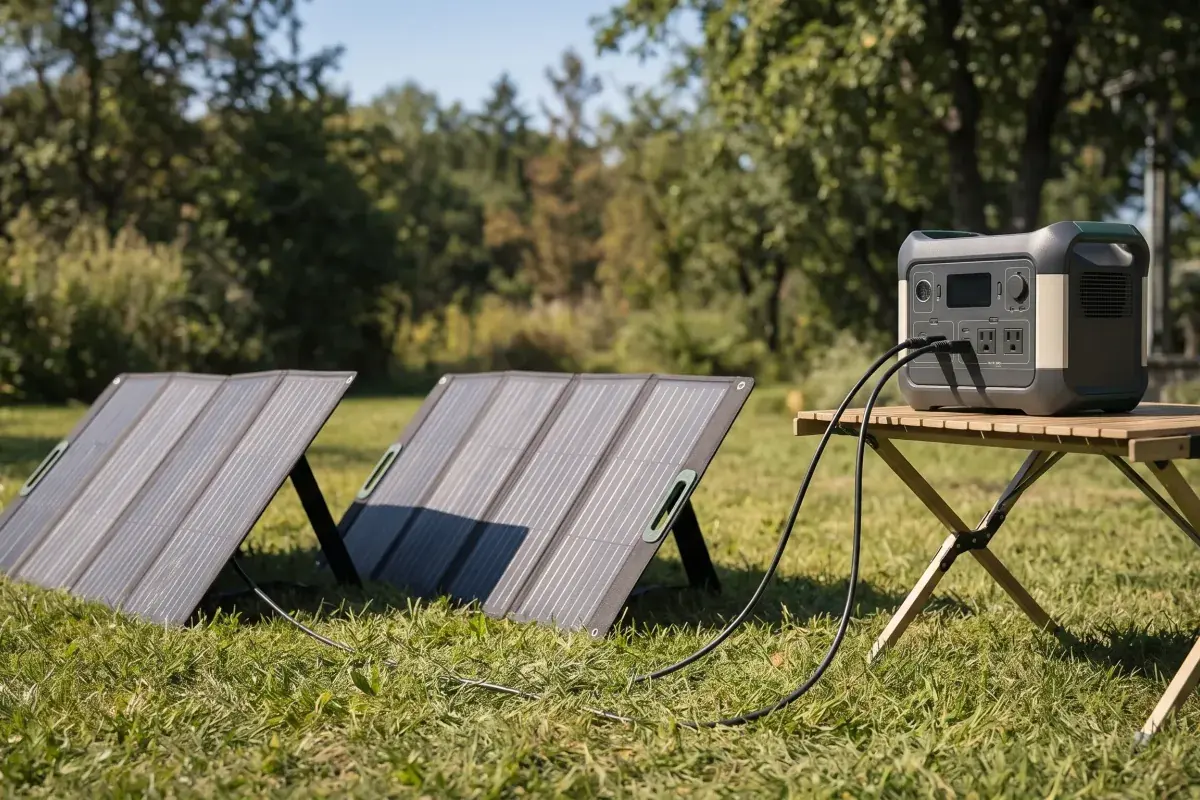
Panels turn sunlight into DC power. The station's built-in MPPT charge controller adjusts it to charge the battery as fast as the sun allows.
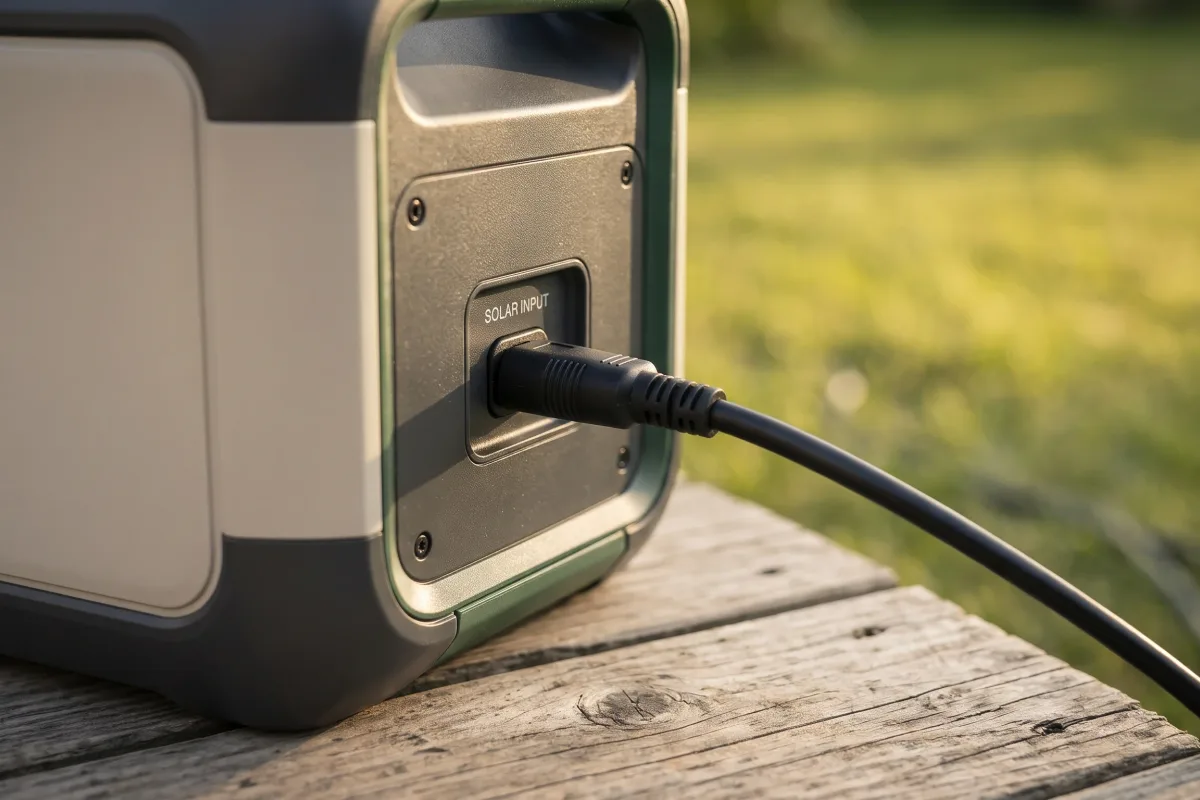
Every station has two solar limits: a maximum wattage and a voltage range. Extra watts are simply wasted, but voltage above the limit can damage the station. For step-by-step setup, see how to charge a power station with solar.
Worked examples: how long the sun takes
Plan on about 75% of the panel rating
Panels rarely deliver their full rating; plan on about 75%. Charge time is then the battery's watt-hours divided by real panel watts, counted in peak sun hours (most of the US gets about 3 to 6 a day).
| Station | Panels | Real output | Full charge |
|---|---|---|---|
| 1,024 Wh station | 2 × 200 W | ~300 W | ~3.4 sun hours |
| HomePower 3600 Pro Max (3,584 Wh) | 2 × 200 W | ~300 W | ~12 sun hours (2–3 sunny days) |
| Delta 3 Plus (1,024 Wh) | 1,000 W | ~750 W | ~1.4 sun hours |
The bundled panels in many solar generators are enough to top up a day's essentials, not to refill a large battery in one day. To size your own setup, see what size solar panel you need.
Common mistakes
Why solar charging often disappoints
- Panels over the voltage limit. Wiring panels in series can push voltage past the station's limit. Check the panels' open-circuit voltage.
- Expecting the rated watts. A 200 W panel typically gives about 150 W in real sun.
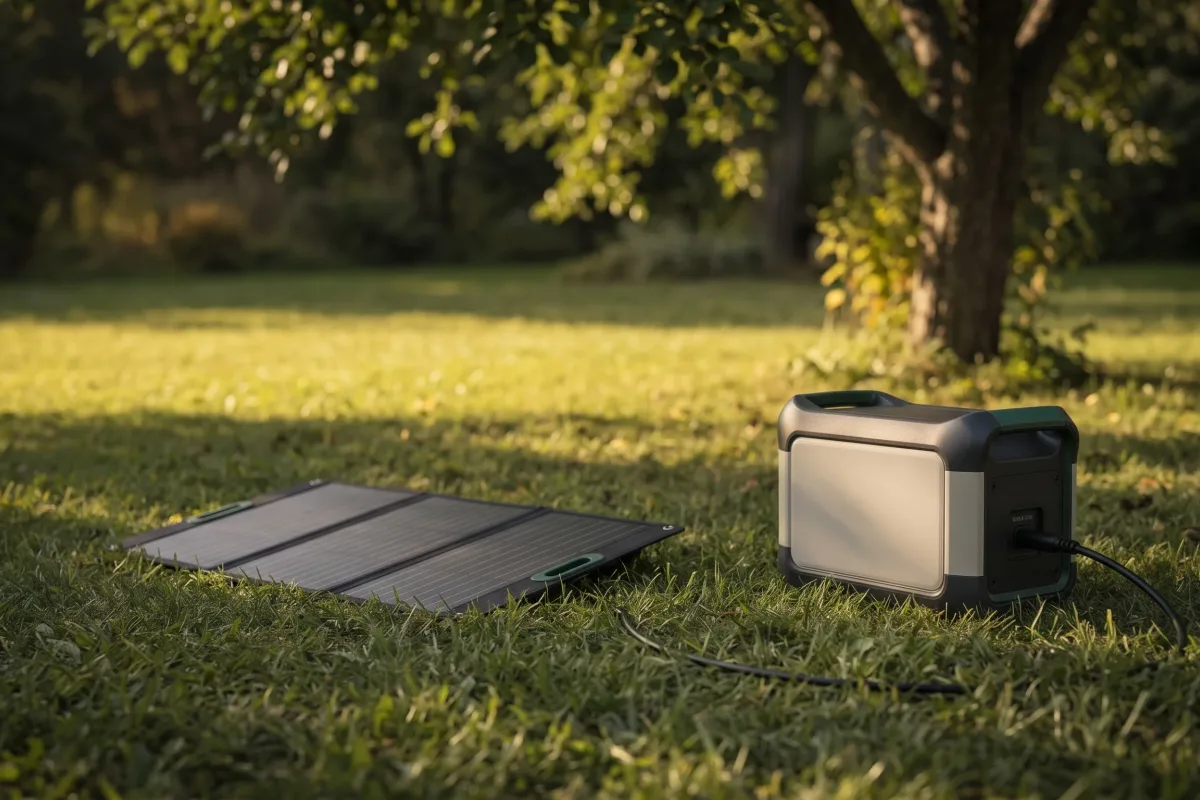
- Laying panels flat or in shade. Even partial shade cuts output sharply. Angle them toward the sun.
- Buying a big battery with small panels. Two 200 W panels can take days to refill a 3.5 kWh station.
- Mismatched connectors. Check that the cable fits both the panels and the station's solar port.
What this means when buying
Bundle or separate, the checks are the same
A bundle saves matching work: panels and cable are chosen to fit. Buying separately lets you pick more or bigger panels, as long as they fit the station's limits. Either way, check:
- Solar input watts: the Delta 3 Plus takes 1,000 W, the C1000 Gen 2 600 W, the HomePower 3600 Pro Max 1,200 W.
- Voltage range: both the Delta 3 Plus and the C1000 Gen 2 accept 11–60 V per input.
- Battery size vs panel watts: use the table above to see how many sunny hours a full charge takes.
Our reviews cover each in detail: the Jackery HomePower 3600 Pro Max (sold as a solar bundle), the EcoFlow Delta 3 Plus and the Anker SOLIX C1000 Gen 2.
Ready to choose a station? See Best Portable Power Stations for Camping.
FAQ
Quick answers to common questions
Is a solar generator the same as a portable power station?
Yes, with panels added. The station inside is the same; "solar generator" means it comes with solar panels.
Can a solar generator run a house?
Large ones can run selected circuits through a transfer switch installed by an electrician. Most run essentials like a fridge, lights and a router.
What are the downsides of a solar generator?
Charging depends on the weather, bundled panels are often too small to refill a big battery in a day, and panels take space to set up.
Can a solar generator run a refrigerator?
Yes. A 1 kWh station runs a typical fridge and router for about 11 hours, and panels can top it up during the day. Try your own numbers in the runtime calculator.
Is a solar generator worth buying?
If you want power off-grid or through long outages, yes. If you'll only charge from the wall, a power station on its own is enough.