 By
We may earn a commission if you buy through links on this page, at no extra cost to you. This never affects which products we recommend. How we make money.
On this page 9 sections
The EcoFlow Delta 3 is the best value portable power station for most people. It gives you 1,024 Wh, a LiFePO4 battery rated for 4,000 cycles to 80%, a 5-year warranty and expansion to 5 kWh. The surest way to get value is to buy the smallest station that covers your loads, so start with what you need to run.
| Spec | EcoFlow Delta 3 | Jackery Explorer 1000 v2 | Bluetti AC180 | Bluetti Elite 30 V2 |
|---|---|---|---|---|
| Capacity (Wh) | 1024 | 1024 | 1152 | 288 |
| AC output, continuous (W) | 1800 | 1500 | 1800 | 600 |
| AC charge time | 56 min | 50 min (Emergency, app) | 80% in 45 min | About 70 min |
| Max solar input (W) | 500 | 400 | 500 | 200 |
| Weight (lb) | 27.6 | 23.8 | 35.3 | 9.5 |
| Warranty (years) | 5 | 3 + 2 with registration | 5 | 5 |
| Price | Check price | Check price | Check price | Check price |
What makes a station good value
Right-size first, then compare battery life and warranty
Value isn't the smallest number on the box. It's how much useful capacity, battery life and warranty you get for the size you actually need. A station twice the size of your needs is wasted money; one too small doesn't do the job.
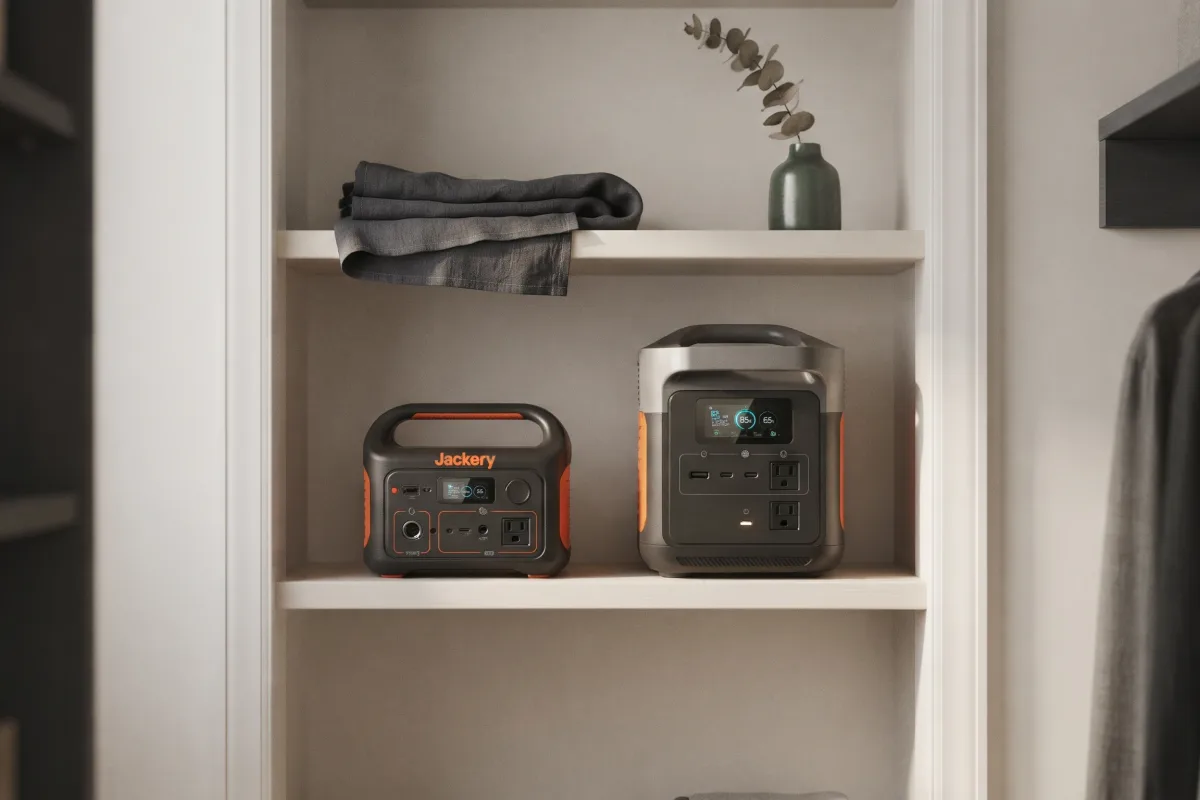
| Station | Capacity | Router (12 W) | Fridge (67 W) |
|---|---|---|---|
| Bluetti Elite 30 V2 | 288 Wh | About 12 hours | About 3 hours |
| EcoFlow Delta 3 | 1,024 Wh | About 42 hours | About 11.5 hours |
| Jackery Explorer 1000 v2 | 1,024 Wh | About 42 hours | About 11.5 hours |
| Bluetti AC180 | 1,152 Wh | About 48 hours | About 13 hours |
Loads are on AC at 85% efficiency plus 10 W idle draw. Check your own devices in the runtime calculator.
How we chose
Value criteria, scored from published specs
We picked from stations we've reviewed in full. For value, we weighted capacity for the size, battery chemistry and cycle rating, warranty, output and charging speed. Each station has an OffGrid Current rating out of 10, computed from its specs. The weights are on how we test. We haven't tested these units hands-on, and we don't list prices.
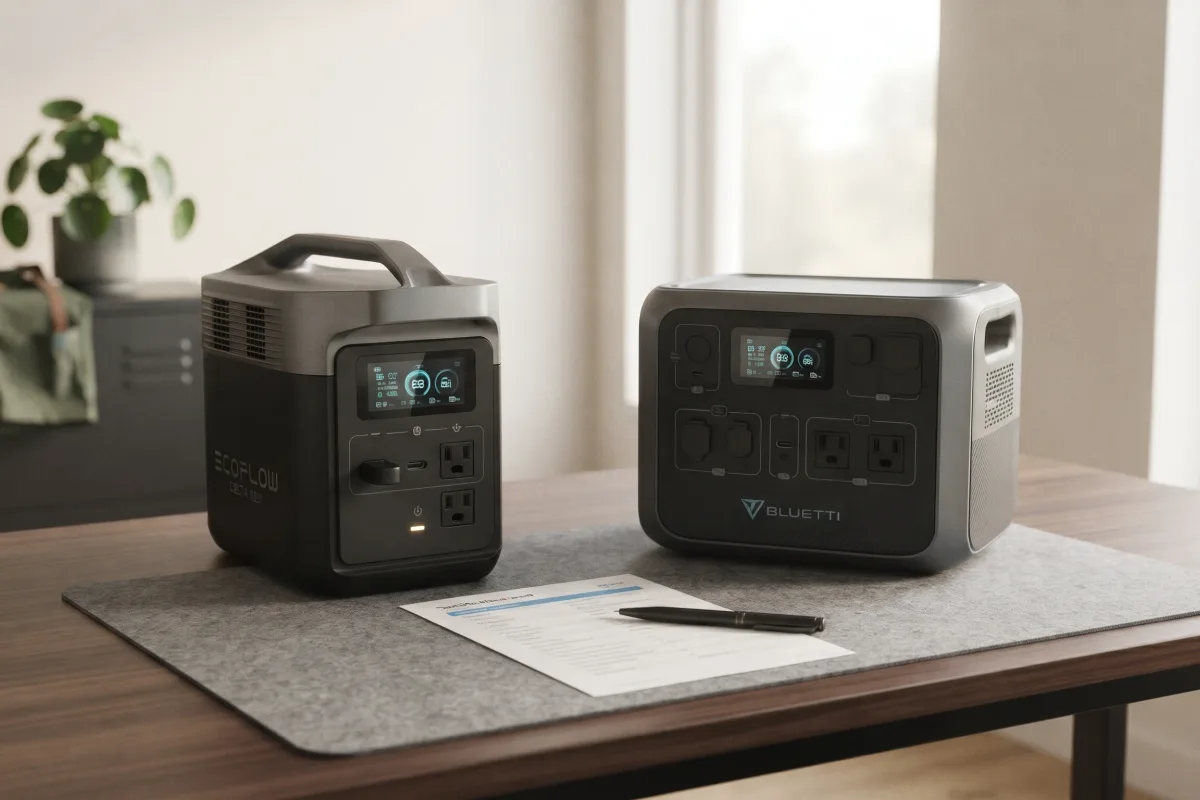
Best value overall: EcoFlow Delta 3
Most of the Delta 3 Plus, with less solar input
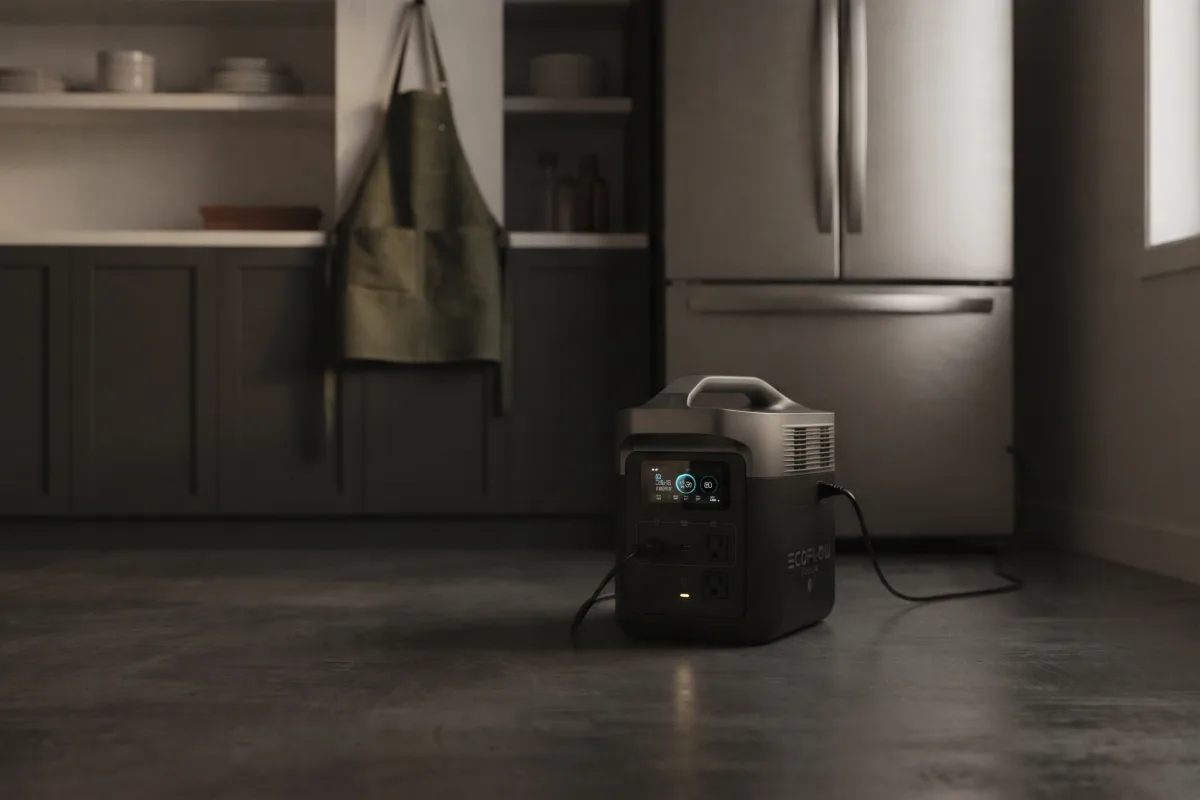
Best value overall
EcoFlow Delta 3
The Delta 3 shares the Delta 3 Plus's capacity, wall charging, switchover and expansion. The main difference is solar input: 500 W against 1,000 W. If you mostly charge from the wall, you lose little.
Pros
- 4,000 cycles to 80%
- 5-year warranty
- About 56 minutes to recharge from the wall
- Under 10 ms switchover, expands to 5 kWh
Cons
- 500 W solar input
- 27.6 lb
Lightest 1 kWh: Jackery Explorer 1000 v2
Full 1 kWh capacity you can carry easily
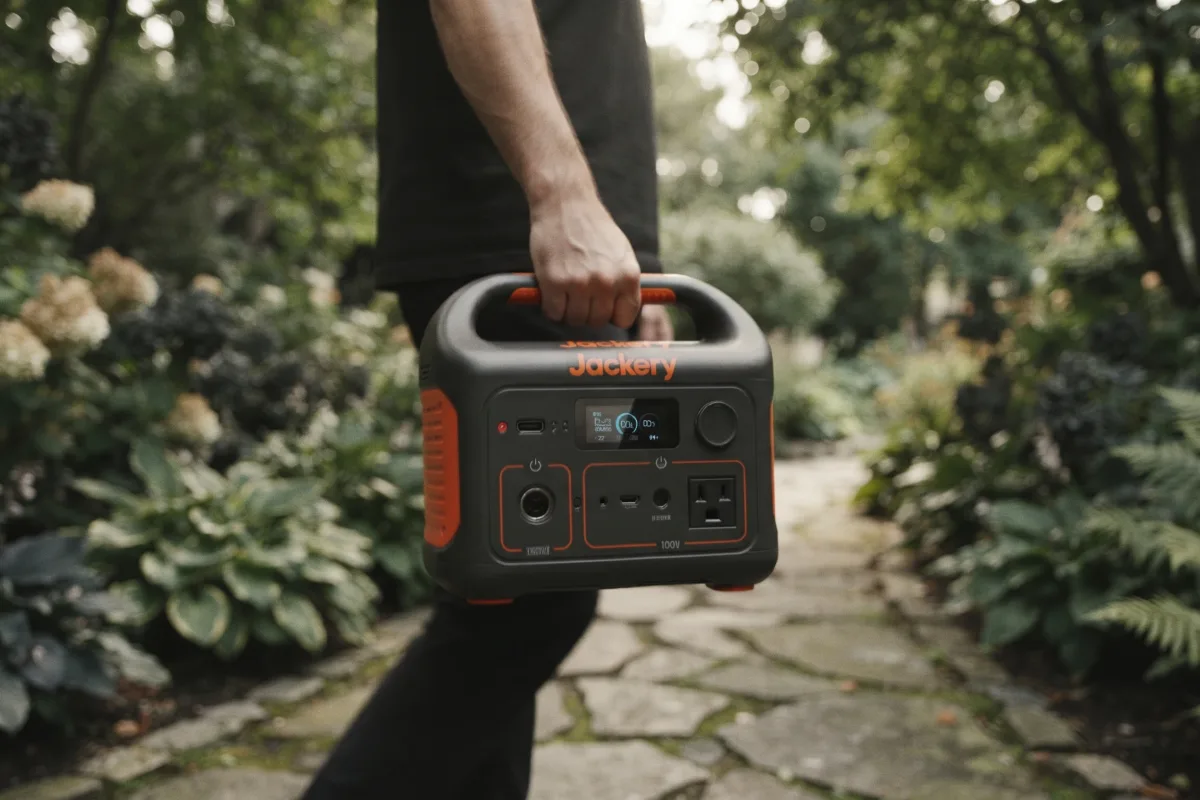
Lightest 1 kWh
Jackery Explorer 1000 v2
The Explorer 1000 v2 suits anyone who moves their station often. It rates lower because of its warranty terms, cycle rating and lack of expansion.
Pros
- 23.8 lb for 1,024 Wh
- 10 ms switchover
- About 50 minutes to recharge in Emergency mode (app)
Cons
- Cycles rated to 70%
- Not expandable
- Rated 5.7/10
Most capacity in a mid-size unit: Bluetti AC180
A bit more battery than the 1 kWh class
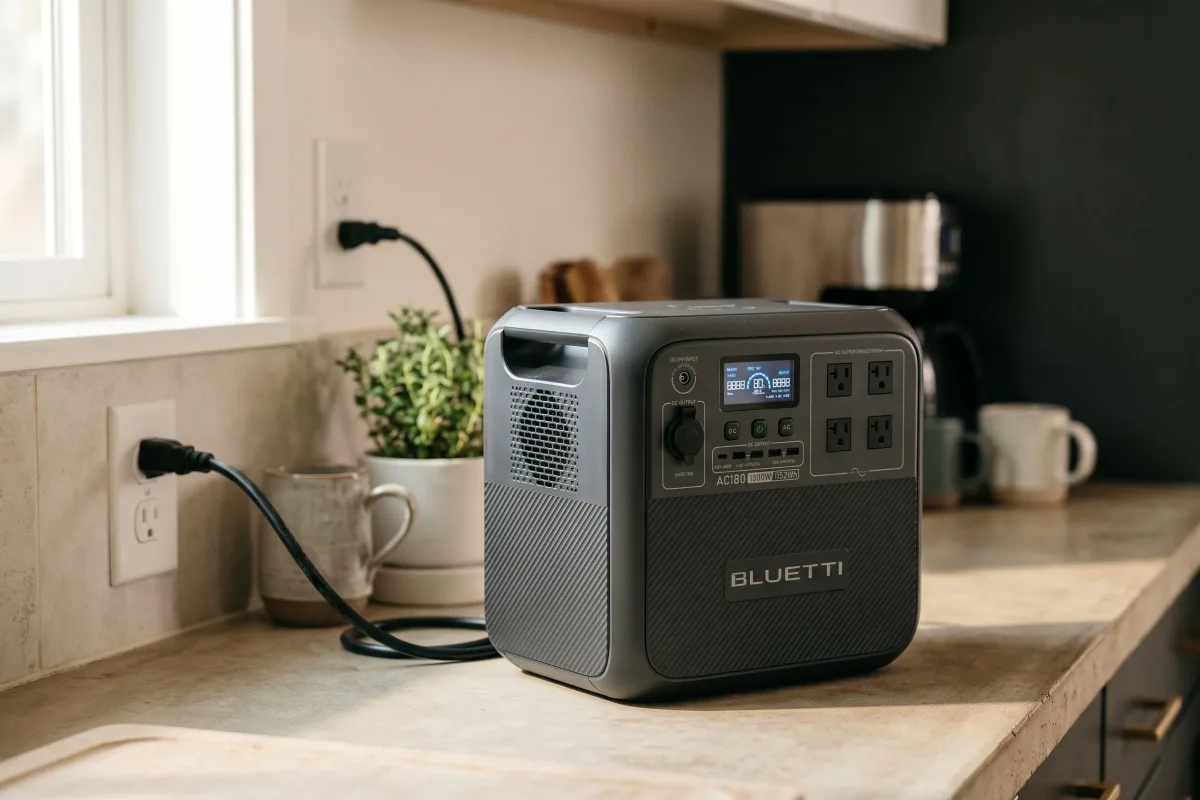
Most capacity in a mid-size unit
Bluetti AC180
The AC180 gives you about 13% more capacity than a 1 kWh station. Its 20 ms switchover may be too slow for some computers, so it's better for trips and appliances than as a desk UPS.
Pros
- 1,152 Wh
- 1,800 W continuous
- 80% in about 45 minutes from the wall
- 5-year warranty
Cons
- 20 ms switchover
- 35.3 lb
- Rated 6.4/10
Best small station: Bluetti Elite 30 V2
A long-life battery in a 9.5 lb station
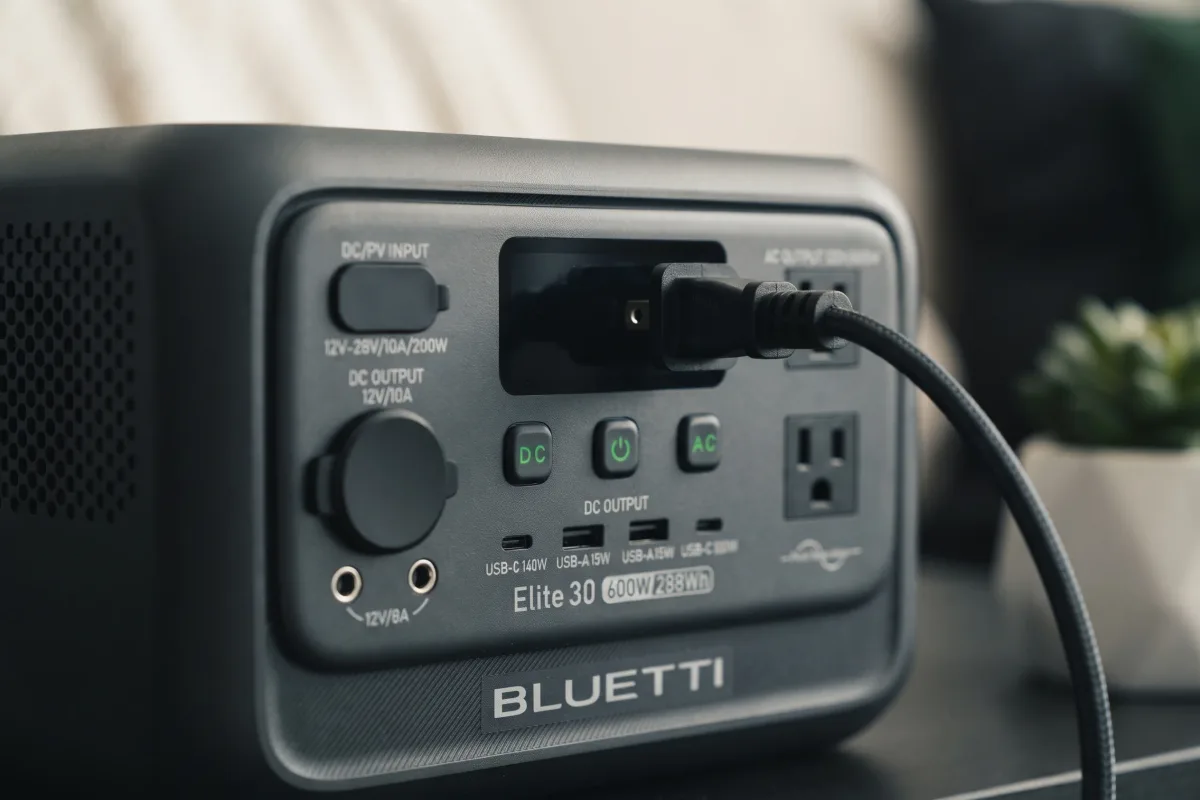
Best small station
Bluetti Elite 30 V2
If you only need to charge devices and run lights, a 1 kWh station is more than you need. The Elite 30 V2 covers day trips and short outages, and its LiFePO4 battery and 5-year warranty make it good value over time.
Pros
- LiFePO4 battery, 3,000+ cycles
- 5-year warranty
- 600 W output
- Full recharge in about 70 minutes
- Switchover of 10 ms or less
Cons
- 288 Wh
- Can't take extra batteries
What to look for
What makes value last
- Battery chemistry: LiFePO4 lasts thousands of cycles; older NMC batteries last hundreds. See LiFePO4 vs lithium-ion.
- Cycle rating: compare the percentage too: 80% after 4,000 cycles beats 70%.
- Warranty: 5 years is the best here. See how long power stations last.
- Output you need: 300 W runs devices; 1,800 W and up runs kitchen appliances.
- Solar input: only matters if you'll charge off-grid. See solar panel sizing.
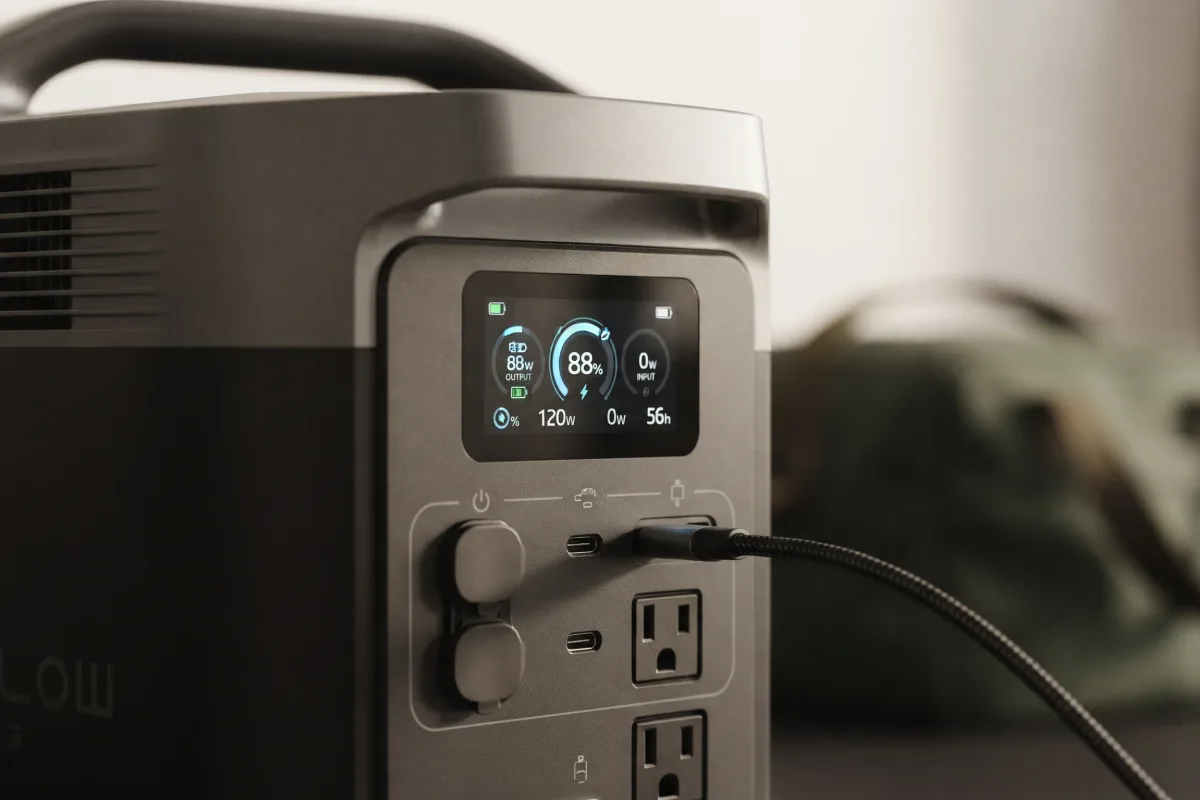
Also considered
Higher-rated or bigger stations
- EcoFlow River 3 Plus: 286 Wh and 600 W in 10.4 lb, and it expands to 858 Wh, but it rates 7.1 against the Elite 30 V2's 7.8.
- EcoFlow Delta 3 Plus: our top pick overall, with 1,000 W solar input.
- Anker SOLIX C1000 Gen 2: 2,000 W at 24.9 lb, rated 8.0.
- Jackery HomePower 2000 Plus v2: 2,048 Wh for longer outages.
- Jackery Explorer 1000 Plus: 1,264 Wh, but 32 lb. See the Explorer 1000 v2 vs 1000 Plus comparison.
- Jackery Explorer 300: 7.1 lb, but an older NMC battery rated for 500 cycles.
For every category, see the best portable power stations.
FAQ
What size power station gives the best value?
The smallest one that covers your loads. About 300 Wh for devices and lights, about 1 kWh for a fridge overnight.
Is a 300 Wh power station enough?
For phones, lights, a router or a laptop, yes. It won't run a fridge for long or any kitchen appliance.
Is LiFePO4 worth it?
Usually. LiFePO4 stations here are rated for 3,500 to 4,000 cycles, against 500 for the older NMC battery in the Explorer 300.
How long do portable power stations last?
It depends on the battery and how often you cycle it. LiFePO4 stations here are rated for 3,500 to 4,000 cycles; the older NMC battery in the Explorer 300 for 500. See how long power stations last.
Can a 1 kWh power station run a fridge?
Yes. A 1,024 Wh station runs a 67 W average fridge for about 11.5 hours.