Understand before you buy
Learn: Portable Power Station Guides
Plain-language guides to sizing, runtime, battery chemistry, solar charging, safety and looking after a portable power station, with the math shown.
- 16
- guides
- 5
- topics
- Nov 2026
- last updated
New to power stations?
Read these 5 in order
From the two numbers on every spec sheet to using a station safely indoors.
- 01Start hereWatts vs Watt-Hours: What the Specs Really MeanWatts (W) tell you what a power station can run. Watt-hours (Wh) tell you how long it can run it.Read the guide →
- 02Size itPortable Power Station Runtime CalculatorAdd your devices below to see how many hours a portable power station will run them.Read the guide →
- 03Know the batteryLiFePO4 vs Lithium-Ion: Which Battery Is Better?For a portable power station, LiFePO4 is the better choice for almost everyone.Read the guide →
- 04Add solarWhat Size Solar Panel Do You Need for a Power Station?For a one-day solar recharge, you need roughly 1 W of panel for every 3.75 Wh of battery: about 300 W for a 1 kWh station and 600 W for a 2 kWh station.Read the guide →
- 05Use it safelyAre Portable Power Stations Safe Indoors?Yes. Portable power stations make no exhaust or carbon monoxide, so they're designed to be used indoors.Read the guide →
4 guides
Sizing & Runtime
Capacity, runtime and appliance compatibility.
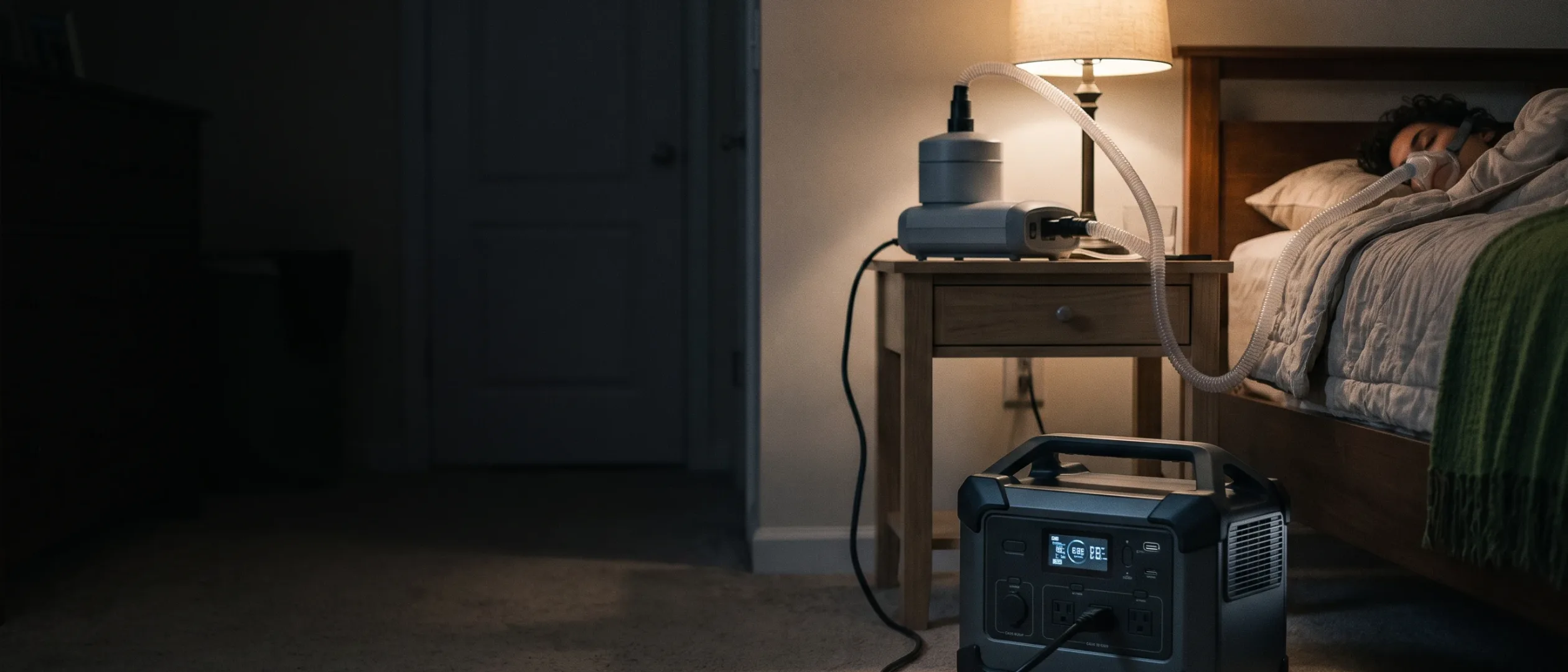 How Long Will a Power Station Run a CPAP?Without the humidifier, a 1 kWh portable power station runs a typical CPAP for about 10 nights on its DC cord; with the humidifier on, about 2 to 4 nights.Read the guide →
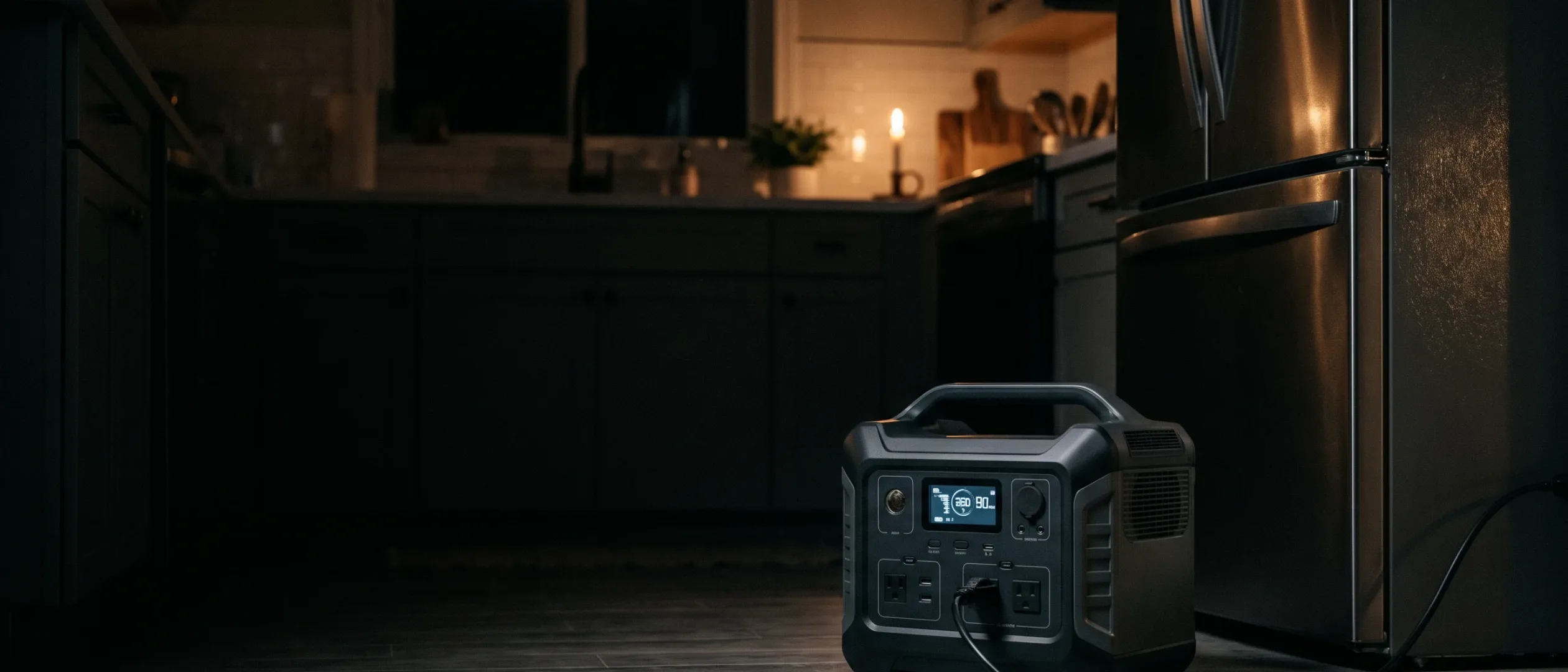 How Long Will a Power Station Run a Fridge?A 1 kWh portable power station runs a typical refrigerator for about 11 to 18 hours; a 2 kWh station for about a day; a 3.6 kWh station for about 1.5 to 2.5 days.Read the guide →
 Portable Power Station Runtime CalculatorAdd your devices below to see how many hours a portable power station will run them.Read the guide →
- Watts vs Watt-Hours: What the Specs Really MeanWatts (W) tell you what a power station can run. Watt-hours (Wh) tell you how long it can run it.Read the guide →
3 guides
Technology
Battery chemistry, inverters, UPS and home integration.
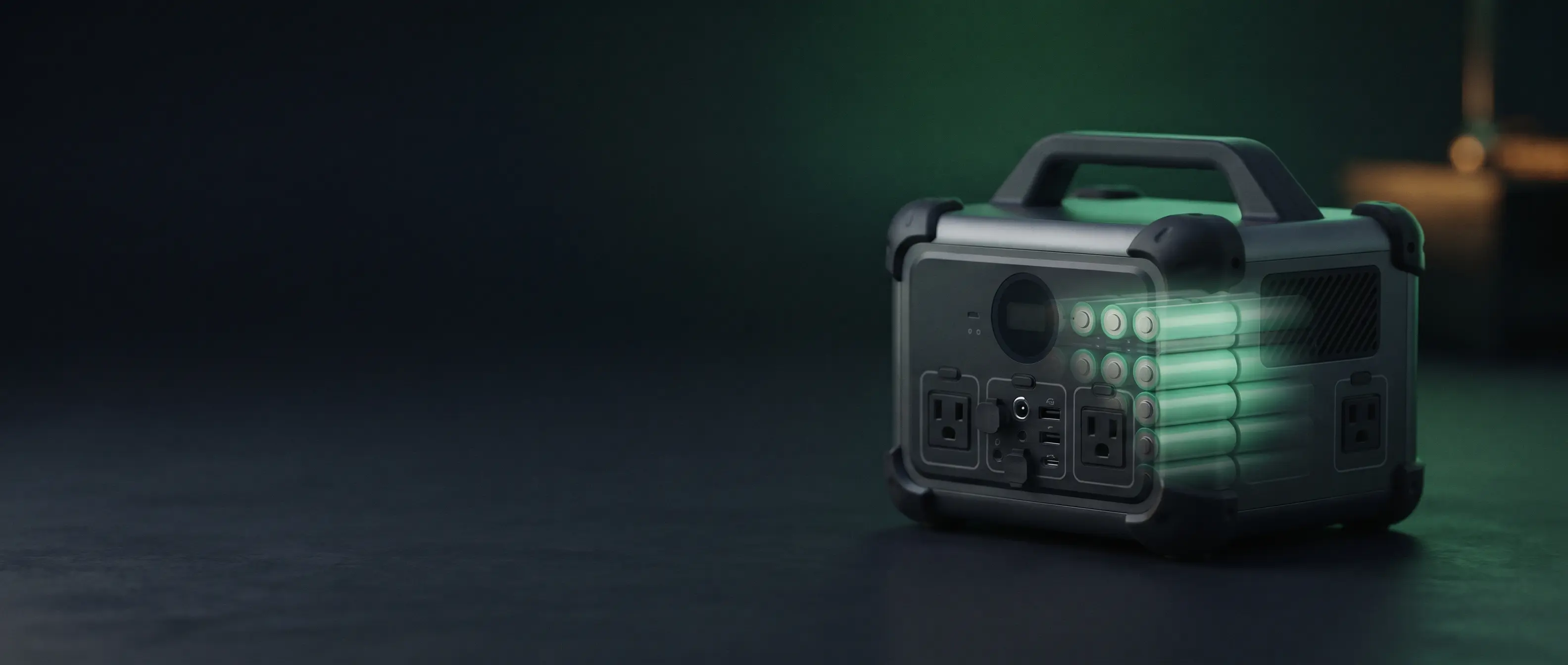 LiFePO4 vs Lithium-Ion: Which Battery Is Better?For a portable power station, LiFePO4 is the better choice for almost everyone.Read the guide →
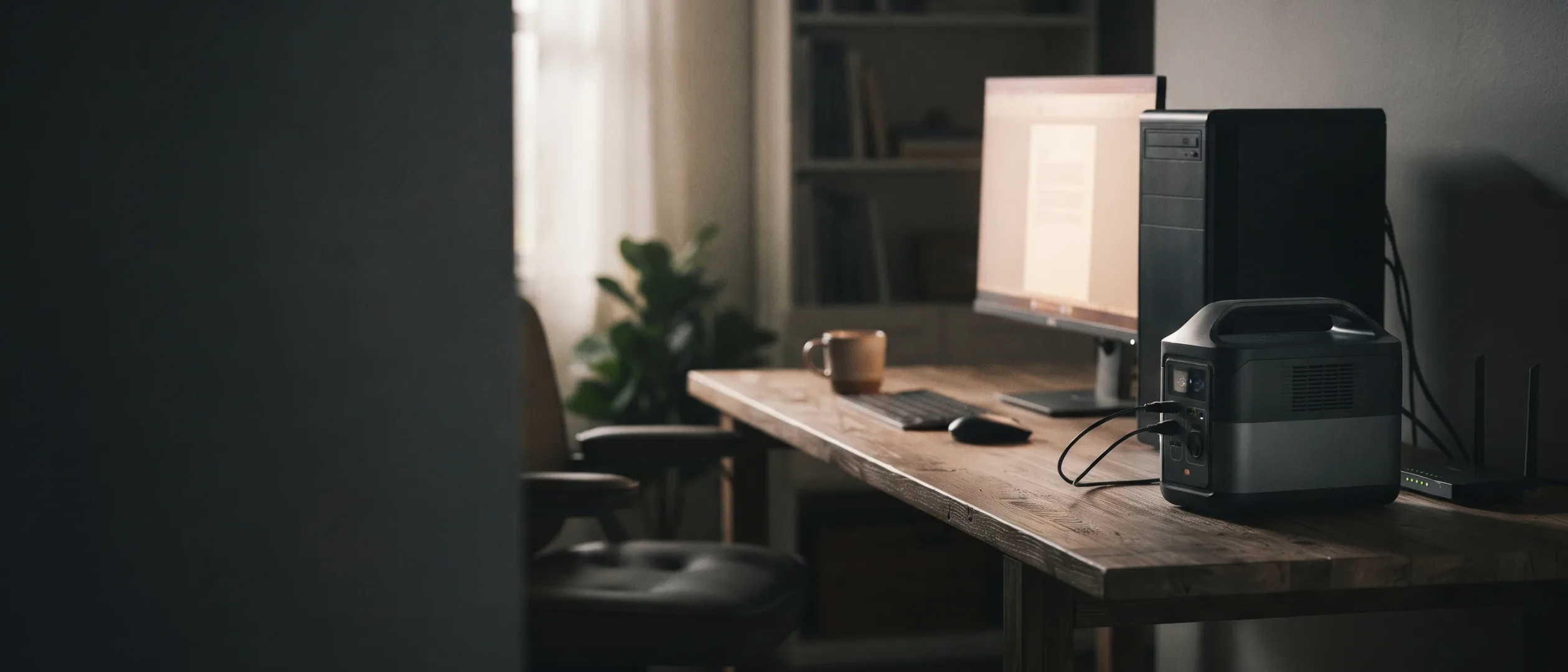 Can a Portable Power Station Work as a UPS?Yes: most current portable power stations can work as a UPS for routers, lights and fridges.Read the guide →
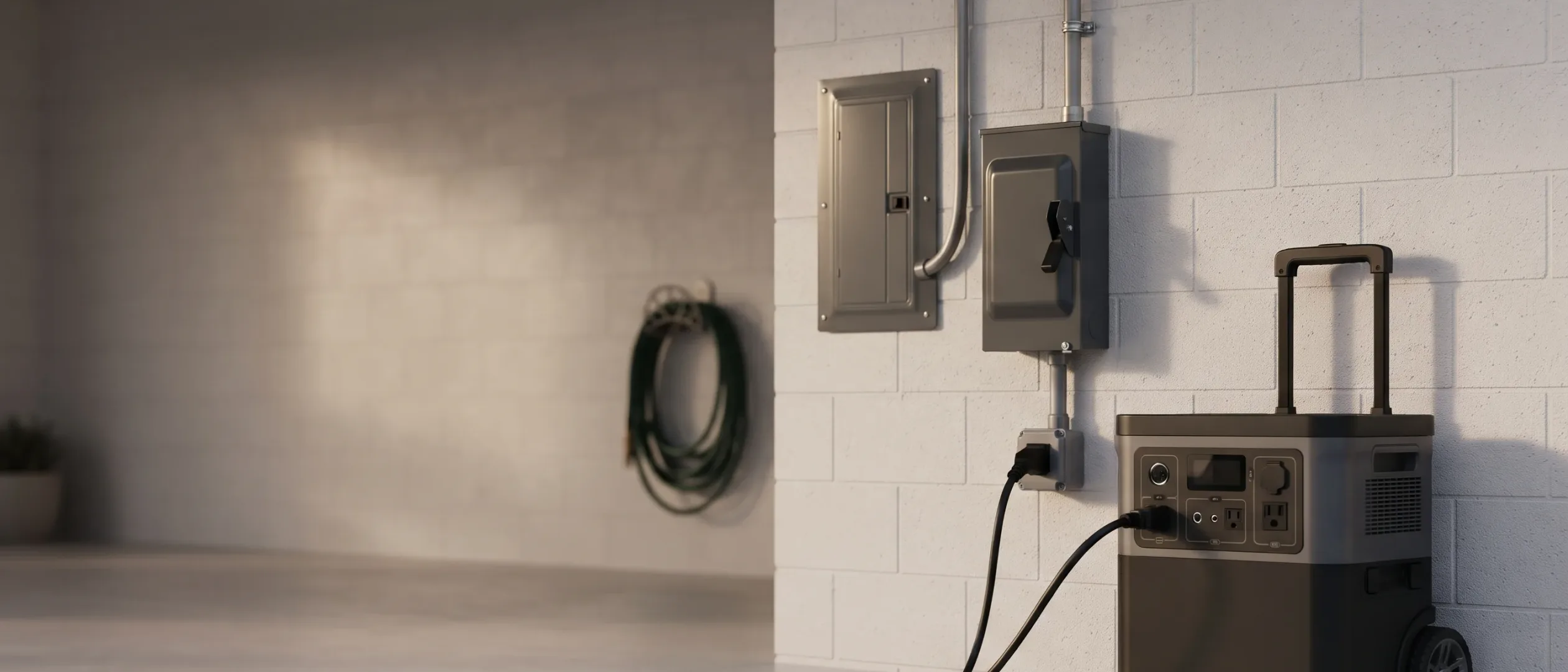 Transfer Switch for a Portable Power StationTo power home circuits from a portable power station, you need a transfer switch or a panel interlock with a power inlet, installed by a licensed electrician.Read the guide →
3 guides
Solar
Solar charging and panel sizing.
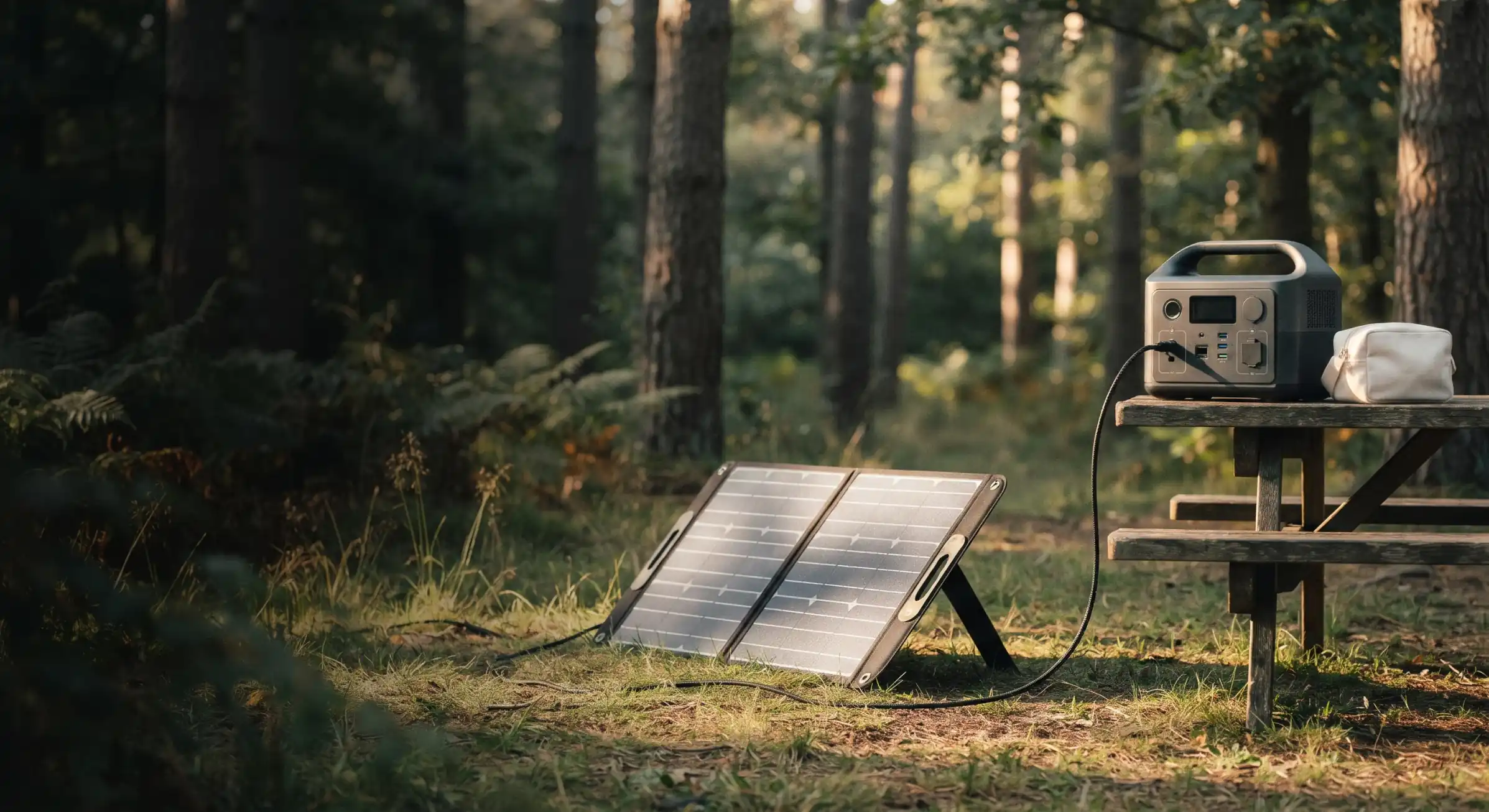 How to Charge a Power Station with SolarTo charge a portable power station with solar, check its solar input limits, aim a compatible panel at the sun, and connect it to the station's solar input with the right adapter cable.Read the guide →
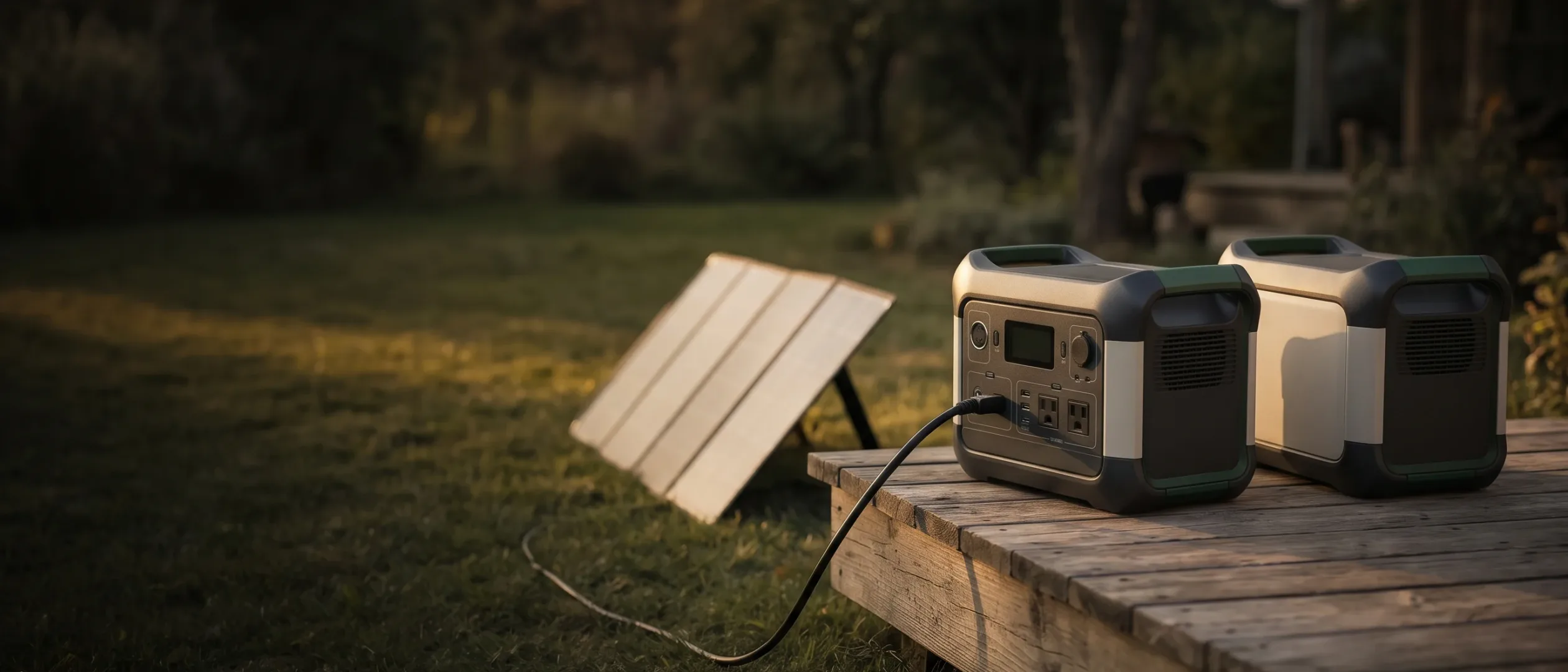 Solar Generator vs Portable Power StationA solar generator is a portable power station sold together with solar panels.Read the guide →
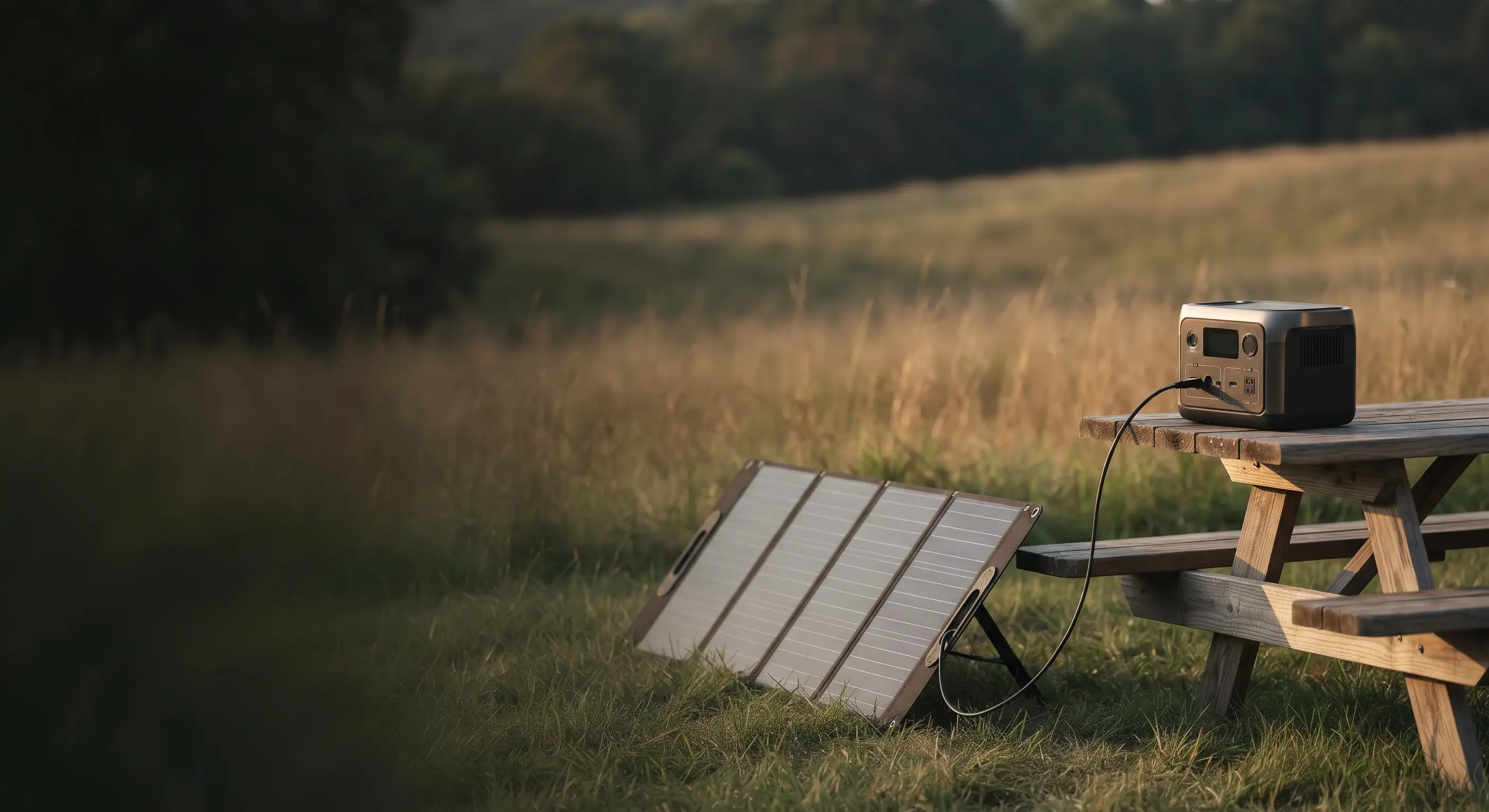 What Size Solar Panel Do You Need for a Power Station?For a one-day solar recharge, you need roughly 1 W of panel for every 3.75 Wh of battery: about 300 W for a 1 kWh station and 600 W for a 2 kWh station.Read the guide →
2 guides
Safety
Indoor use, recalls and travel rules.
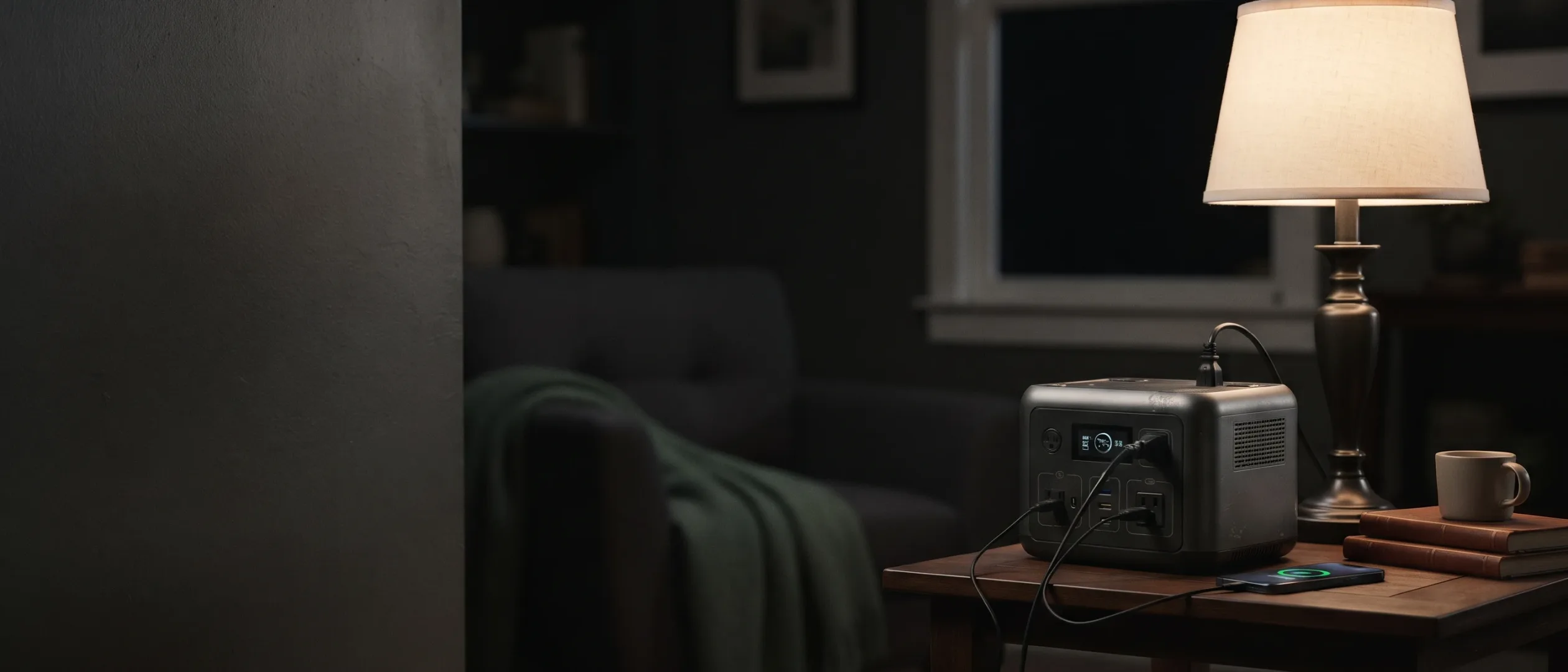 Are Portable Power Stations Safe Indoors?Yes. Portable power stations make no exhaust or carbon monoxide, so they're designed to be used indoors.Read the guide →
 Portable Power Station RecallsThe US Consumer Product Safety Commission (CPSC) has recalled or warned about seven portable power stations and four power-station accessories.Read the guide →
4 guides
Ownership
Storage, maintenance and troubleshooting.
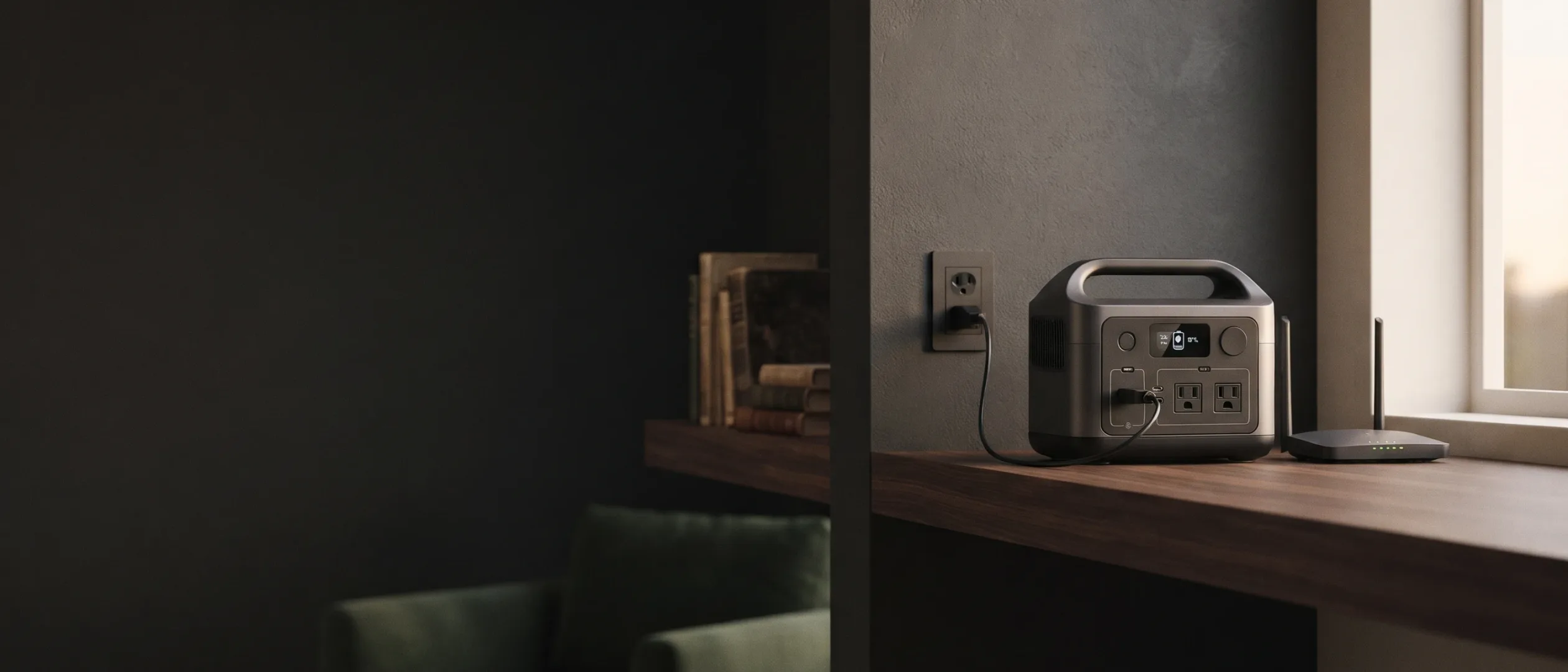 Can You Leave a Power Station Plugged In?You can, and stations with a UPS mode are designed to stay plugged in.Read the guide →
 How Long Do Portable Power Stations Last?Most current portable power stations use LiFePO4 batteries rated for 3,000 to 6,000 charge cycles, which the makers put at about 10 years or more of daily use.Read the guide →
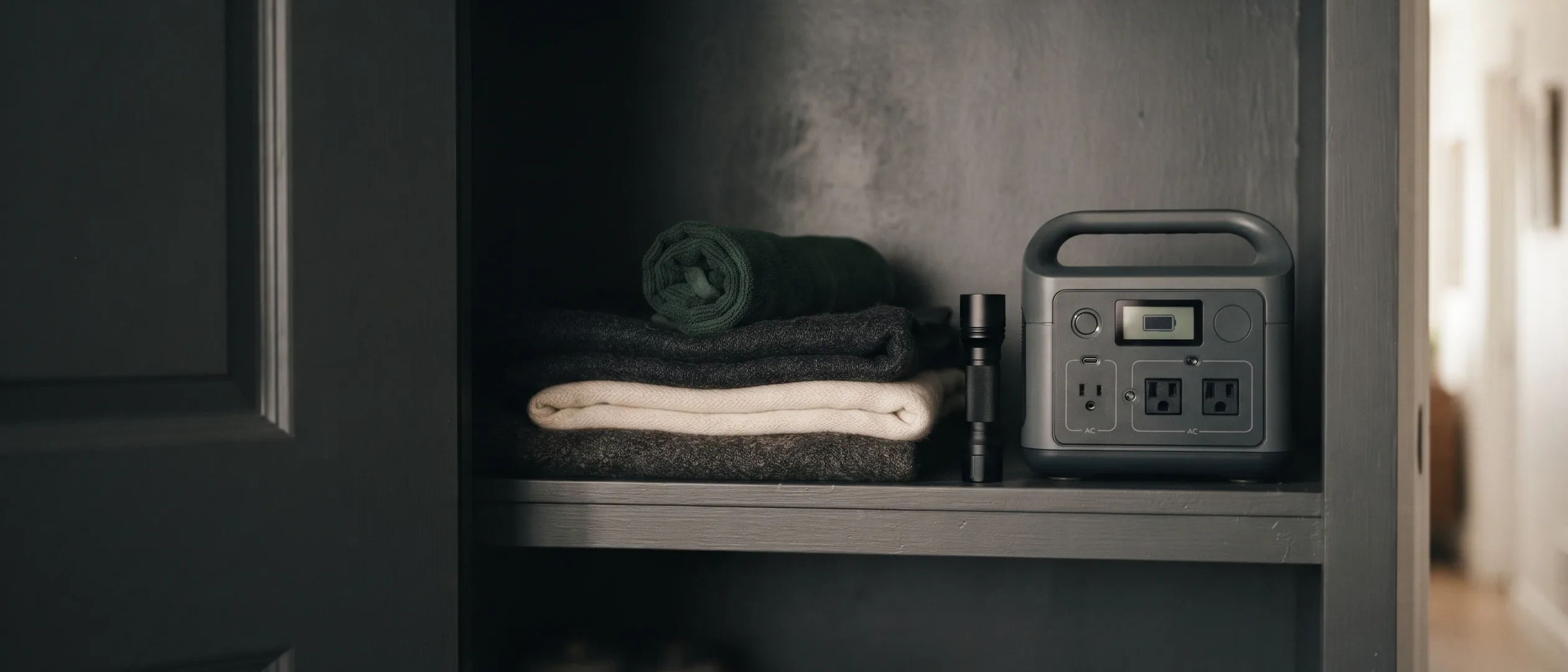 How to Store a Portable Power StationStore a portable power station partly charged (about 50–80%), somewhere cool and dry, and check or top it up about every three months.Read the guide →
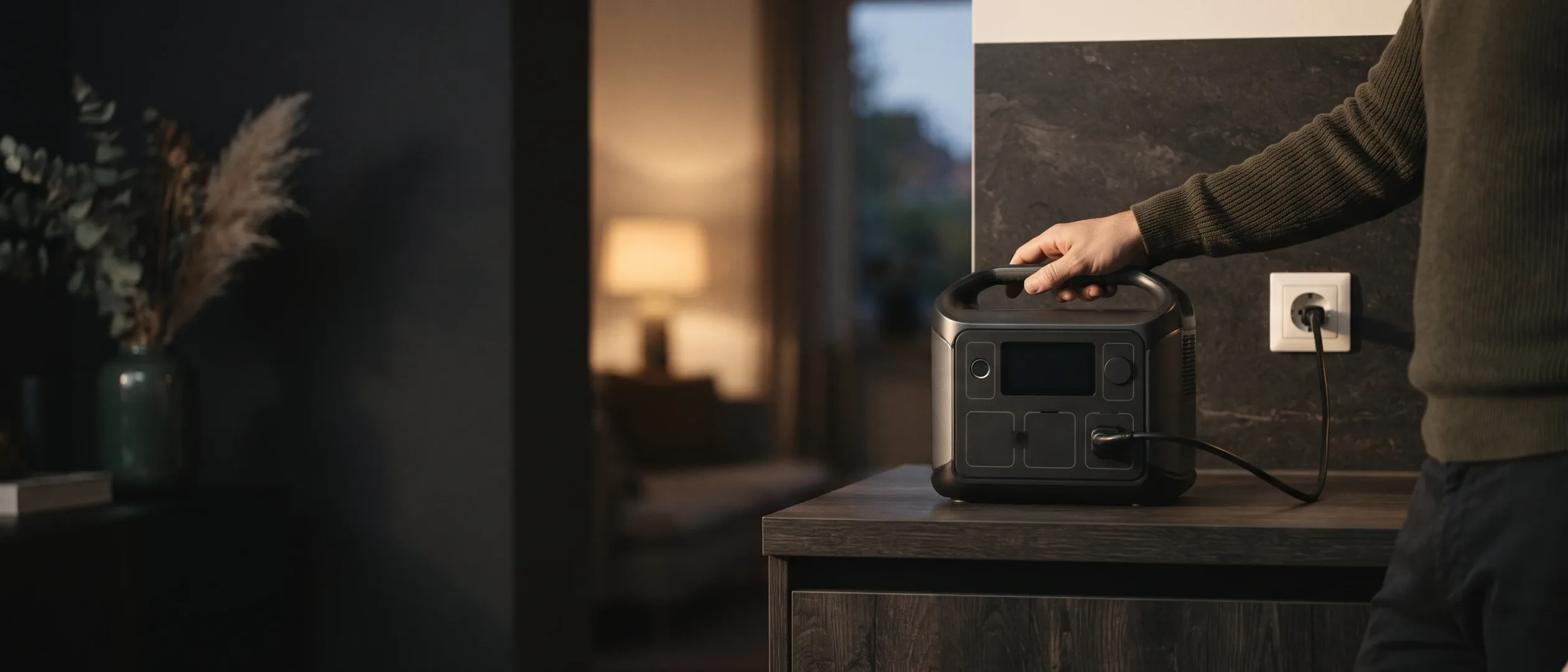 Portable Power Station Not Charging? Common FixesWhen a portable power station won't charge, the cause is usually the power source, the temperature or a setting.Read the guide →
Our working figures
The numbers behind every estimate
Every runtime on the site uses the same planning figures, so guides, reviews and the calculator agree.
- AC outlets
- 85%of the battery reaches devices on AC, after inverter losses.
- DC and USB
- 92%reaches devices on a DC or USB cord, which skips the inverter.
- Inverter idle draw
- 10 Wadded by the calculator whenever AC is switched on. It varies by model.
- Sizing margin
- 20%extra capacity the calculator adds to its recommendation.
Quick answers
Common questions
Where should I start if I'm new to power stations?
Start with watts vs watt-hours, the two numbers that decide what a station can run and for how long. Then use the runtime calculator to work out the size you need.
Are these guides about specific brands?
No. The Learn guides explain how power stations work in general. Model-specific detail is in the reviews, and brand differences are in the comparisons.
Do the guides use the same numbers as the reviews?
Yes. Guides, reviews and the calculator all use the same planning figures, shown above, so a runtime quoted in one place matches the others.
Skip the math
Add your devices and the calculator works out the runtime and the capacity to look for.