
Learn
Portable Power Station Care & Troubleshooting
Look after a portable power station: storage charge levels, battery lifespan, leaving it plugged in and fixing one that won't charge.
- 4
- guides
- Nov 2026
- last updated
The short answer
What owners ask most
Looking after a power station comes down to four things: store it partly charged (about 50–80%) somewhere cool and dry, top it up about every three months, keep it out of extreme heat and cold, and know the usual reasons one stops charging.
- Storage: partly charged (about 50–80%), cool and dry, checked or topped up about every three months. Storing a power station →
- Leaving it plugged in: you can, and stations with a UPS mode are designed to stay plugged in. Leaving it plugged in →
- Lifespan: most current stations use LiFePO4 batteries rated for 3,000 to 6,000 charge cycles, which the makers put at about 10 years or more of daily use. How long they last →
- Not charging: the cause is usually the power source, the temperature or a setting. Common fixes →
Storage, maintenance and troubleshooting.
Ownership guides
- Can You Leave a Power Station Plugged In?You can, and stations with a UPS mode are designed to stay plugged in.Read the guide →
 How Long Do Portable Power Stations Last?Most current portable power stations use LiFePO4 batteries rated for 3,000 to 6,000 charge cycles, which the makers put at about 10 years or more of daily use.Read the guide →
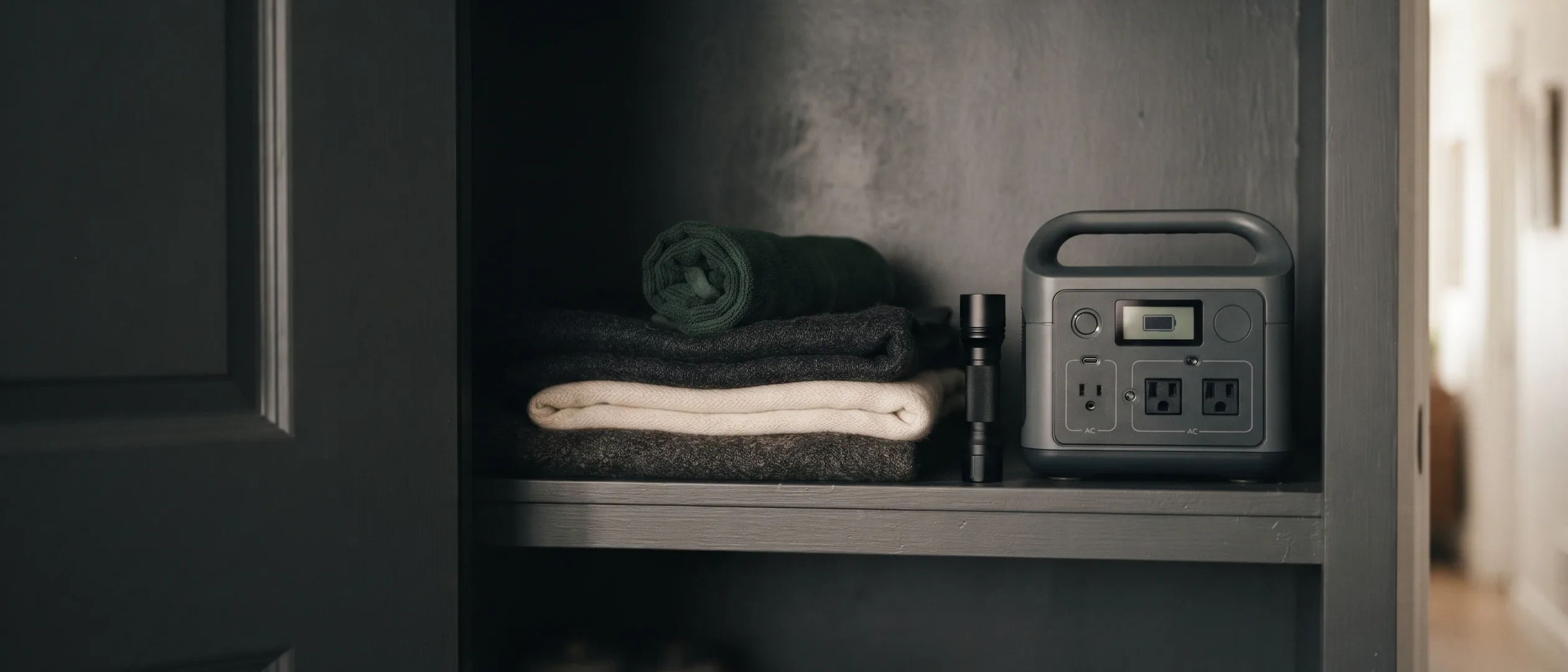 How to Store a Portable Power StationStore a portable power station partly charged (about 50–80%), somewhere cool and dry, and check or top it up about every three months.Read the guide →
 Portable Power Station Not Charging? Common FixesWhen a portable power station won't charge, the cause is usually the power source, the temperature or a setting.Read the guide →
Quick answers
Common questions
How often should I charge a stored power station?
Check it or top it up about every three months, and keep it partly charged (about 50–80%) rather than full or empty.
Why won't my power station charge in the cold?
Many stations block or limit charging at low temperatures to protect the battery. Bring it somewhere above freezing and try again.
Does leaving it plugged in harm the battery?
Stations with a UPS mode are designed to stay plugged in. Where the app offers a charge limit, setting one reduces wear on the battery.