 By
We may earn a commission if you buy through links on this page, at no extra cost to you. This never affects which products we recommend. How we make money.
On this page 7 sections
Yes. Portable power stations make no exhaust or carbon monoxide, so they're designed to be used indoors. The real risk is a rare lithium-ion battery fault; you can reduce it by buying a listed model, checking recalls and following a few simple rules.
Why batteries are different from generators
No combustion, no carbon monoxide
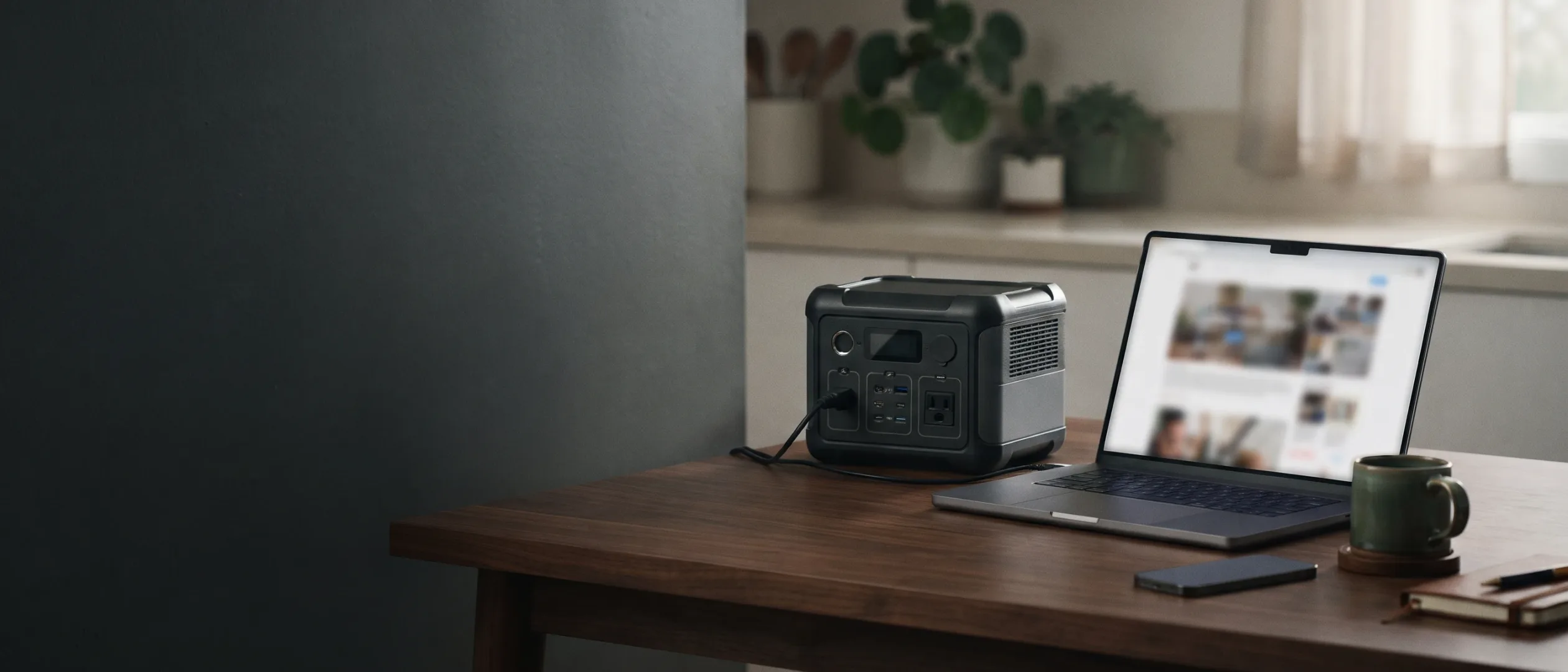
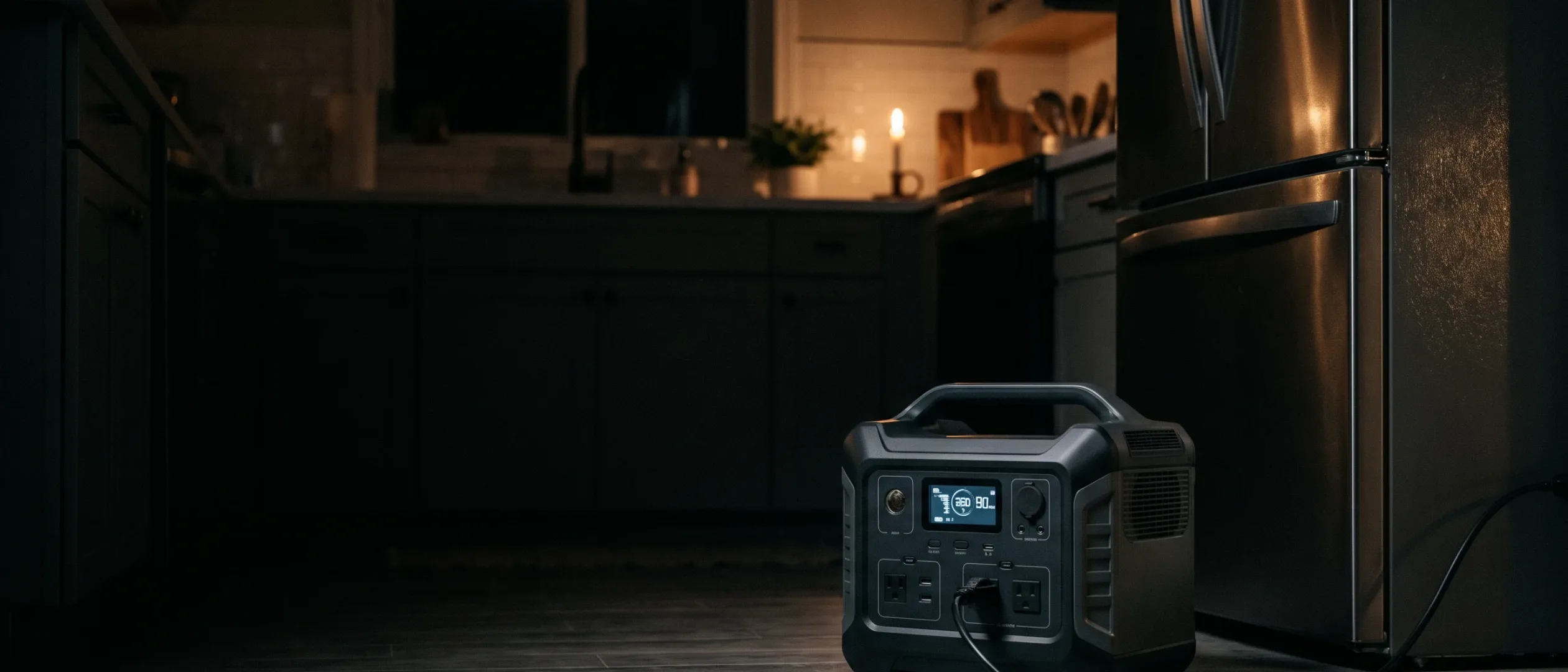
A gas generator burns fuel and makes carbon monoxide, which is why the CPSC says to run generators only outdoors, at least 20 feet from the house. A power station stores electricity in a battery and burns nothing, so it can sit in a kitchen, bedroom or home office.
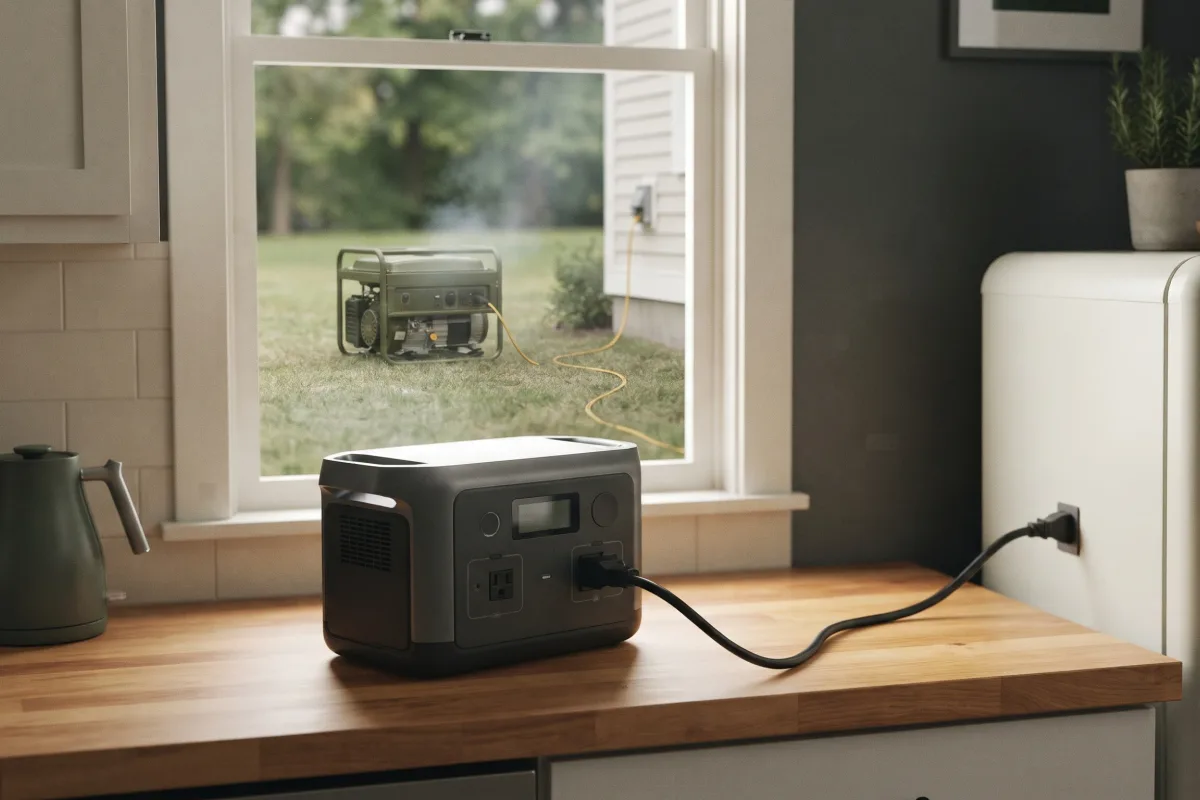
That's the main reason people choose one for outages. See power station vs generator for the full comparison. For our picks, see the best portable power stations for home backup.
The real risk: lithium-ion battery fires
Rare, but real
The NFPA notes that lithium-ion batteries store a lot of energy in a small space, and that a small number are defective and can overheat, catch fire or explode. Power stations aren't exempt. The CPSC has recalled the Goal Zero Yeti 3000X (2026; its circuit board can overheat) and the HALO 1000 (2024; its batteries can overheat), and in 2025 warned consumers to stop using Aeiusny 400 W and 500 W stations.
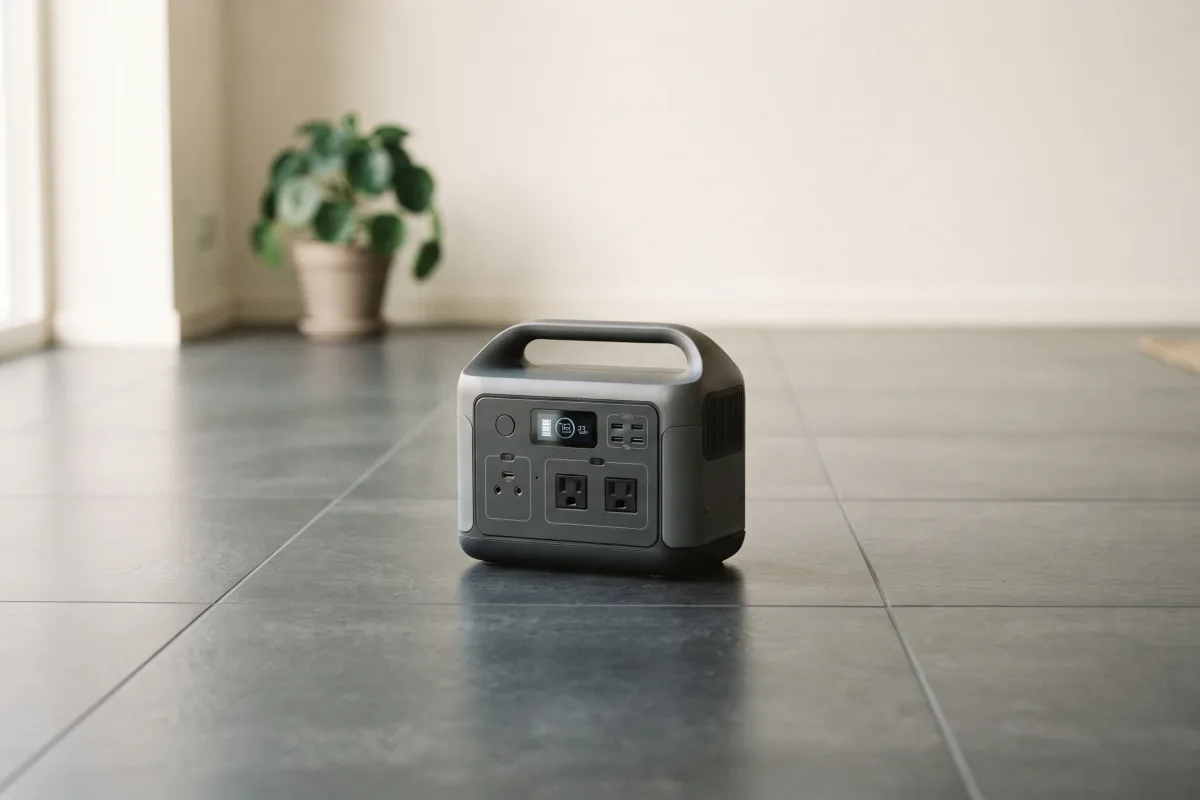
Most current stations use LiFePO4 cells, a chemistry with a reputation for stability; see LiFePO4 vs lithium-ion. The habits below still apply to every battery.
Look for safety listings
A recognized lab, not just a logo
The NFPA's first tip is to buy devices listed by a nationally recognized testing laboratory. For portable power stations, the relevant standard is UL 2743, UL's Standard for Portable Power Packs. Some larger home models also state UL 9540, the energy-storage system standard; the Jackery HomePower 3600 Pro Max is one example.
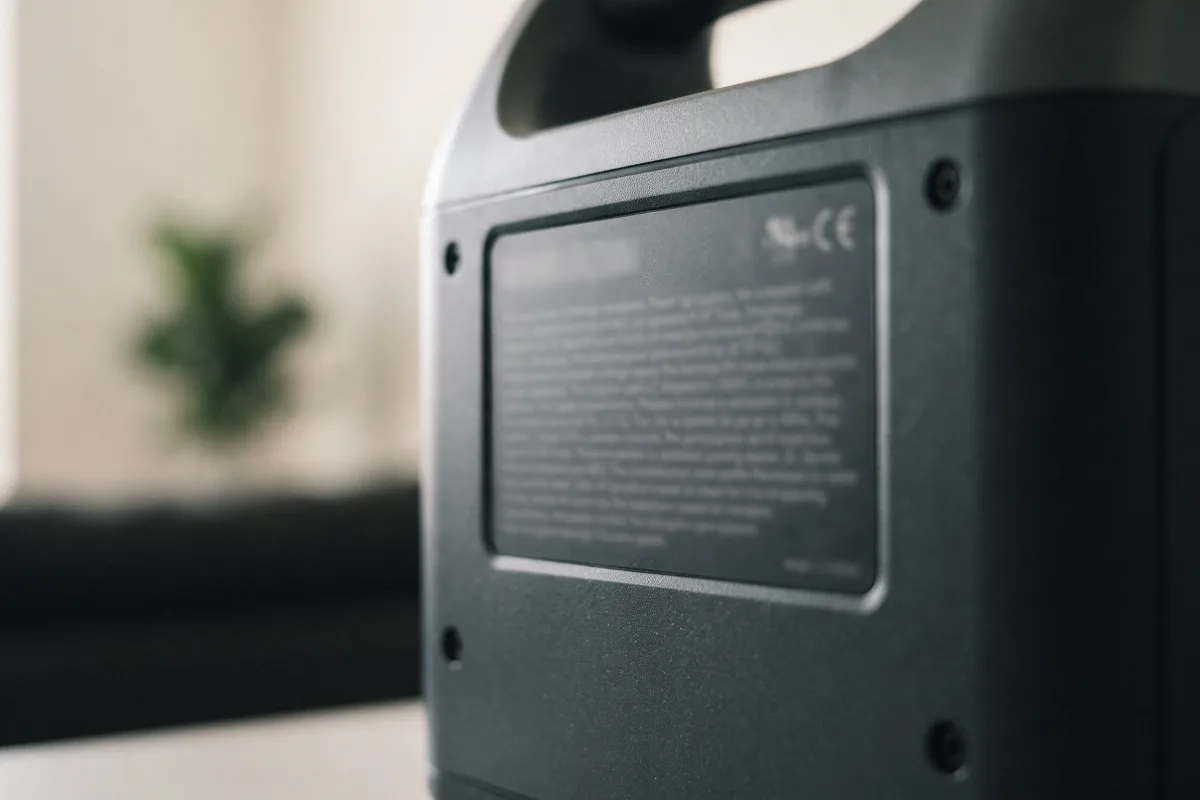
Check the label on the unit or the manual, not just the box or listing photos.
Where to put it and how to charge it
Simple habits from the NFPA
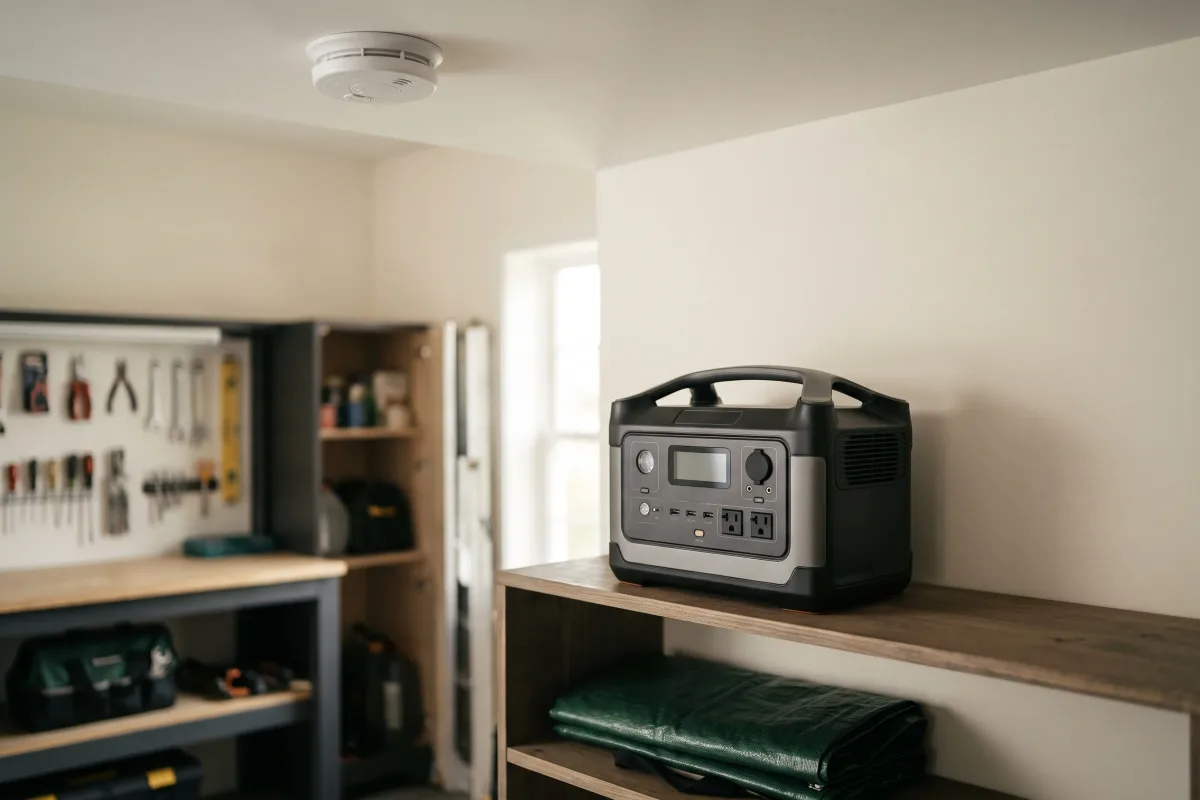
- Follow the manual and use only the charging cable that came with it.
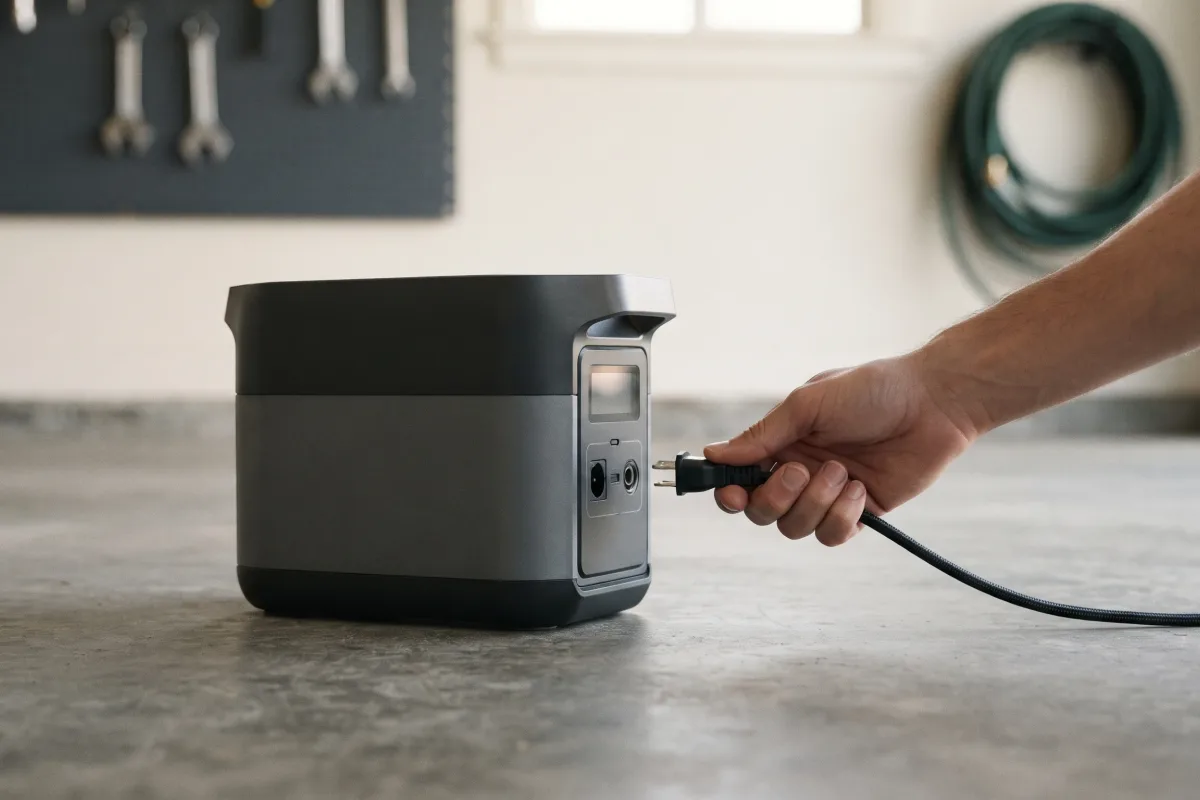
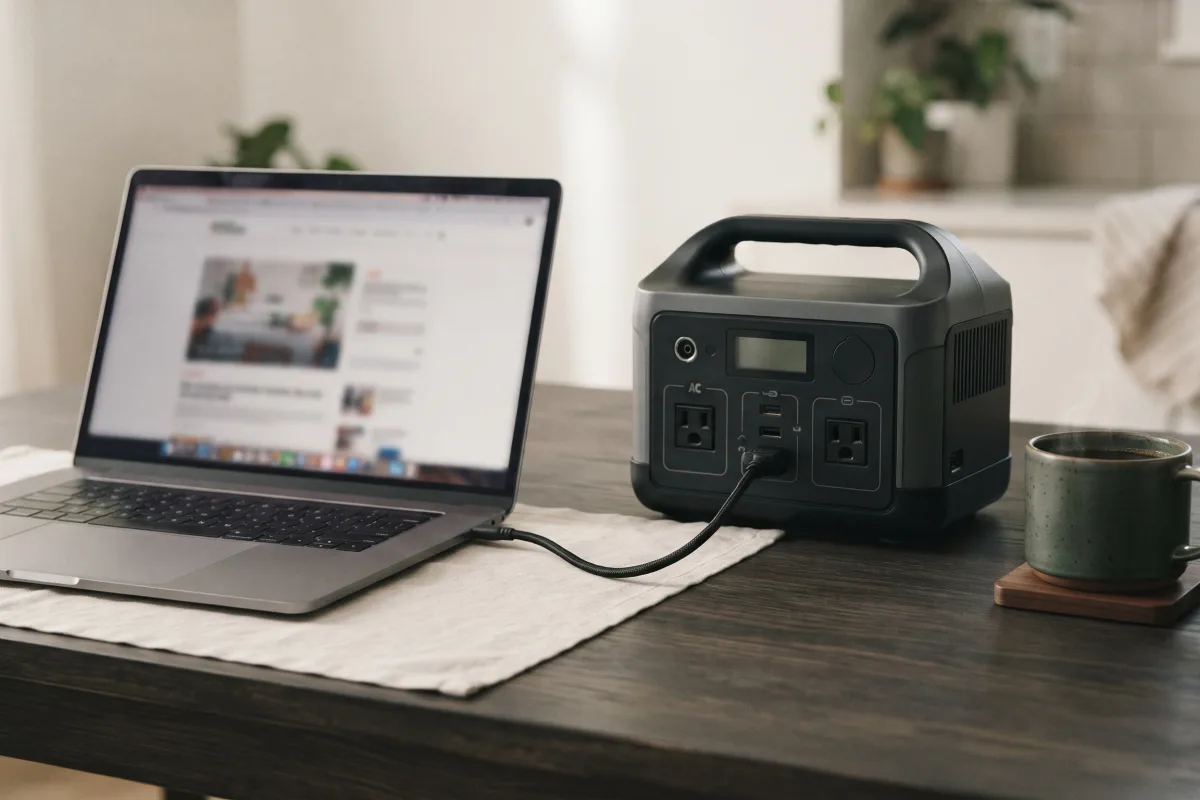
- Charge on a hard, flat surface, never on a bed or couch.
- Keep it at room temperature; the NFPA says not to charge lithium-ion batteries below 32°F or above 105°F.
- Keep it away from anything that can catch fire, such as curtains, paper or bedding.
- Keep the vents clear so its fans can cool it.
For storage between uses, see how to store a portable power station.
Warning signs and what to do
Stop using it straight away
The NFPA lists the signs of a battery problem: an odd smell, a change in color, too much heat, a change in shape, leaking or odd noises. If you notice any of them, stop using it. If it's safe to do so, move it away from anything that can burn, and call 911.
Don't put lithium-ion batteries in the trash or regular recycling. Find a battery drop-off point at call2recycle.org.
Check for recalls
Two minutes that matter
Search your brand and model on the CPSC recall list at cpsc.gov/Recalls, and register your station with the maker so they can contact you if there's a recall. We keep a list of every portable power station recall.
FAQ
Quick answers to common questions
Can a portable power station be used inside?
Yes. It makes no exhaust, so it's designed for indoor use. Keep it on a hard surface with clear space around it.
Does a power station give off carbon monoxide?
No. Only fuel-burning generators make carbon monoxide; a battery power station burns nothing.
Can I leave it plugged in all the time?
Follow your manual (see can you leave a power station plugged in). Many stations offer a UPS mode meant to stay plugged in; see using a power station as a UPS. If your manual doesn't describe always-on use, unplug it once it's full, as the NFPA advises for lithium-ion devices.
Is it safe to charge overnight?
Charge it on a hard surface away from anything flammable, never on a bed or couch, and follow the manufacturer's instructions.
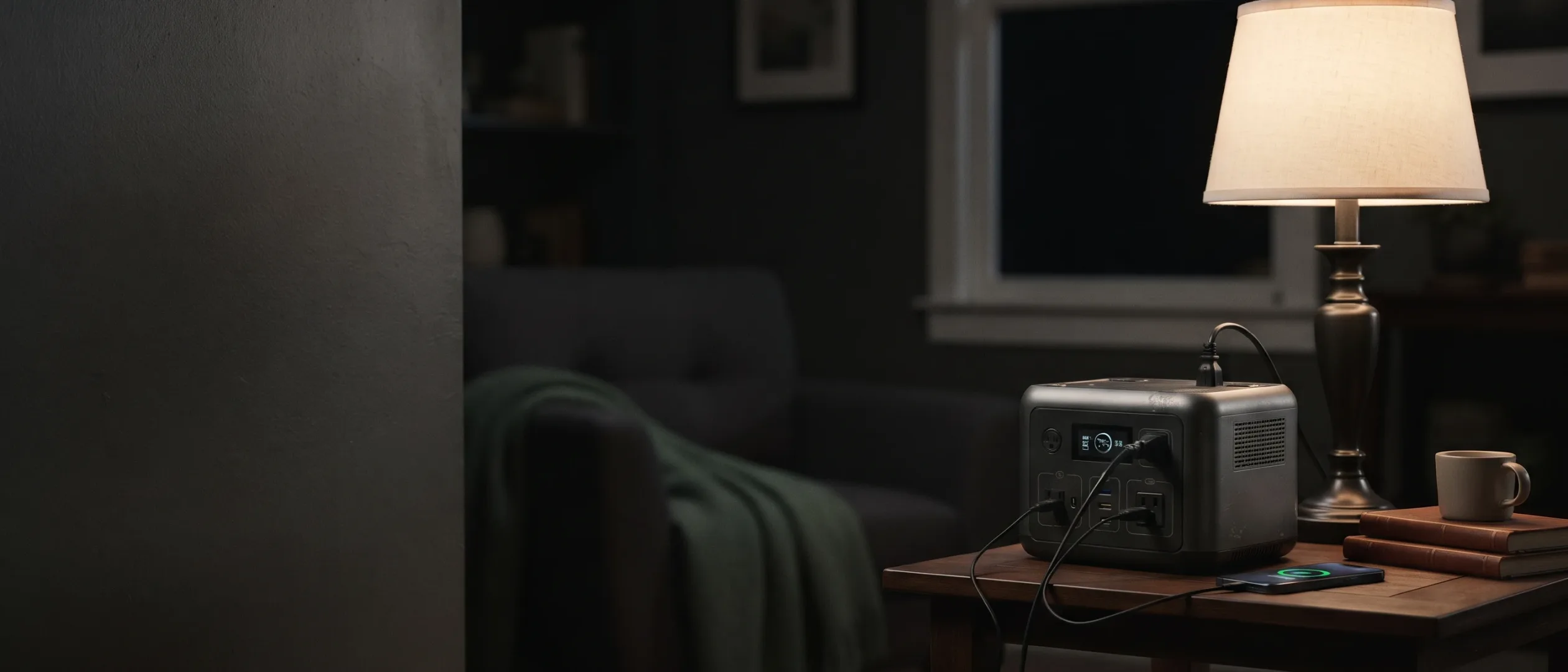
Is it safe in a bedroom?
Yes, for running devices like a CPAP. Keep it on the floor or a hard surface, with clear space around its vents. To see how long it will run your devices, try the runtime calculator.