 By
We may earn a commission if you buy through links on this page, at no extra cost to you. This never affects which products we recommend. How we make money.
On this page 9 sections
For a portable power station, LiFePO4 is the better choice for almost everyone. It's rated for several times more charge cycles and is far more tolerant of heat and damage. The trade-off is weight: an older-style NMC lithium-ion station of the same capacity is lighter. The good news is that the choice is mostly made for you: nearly every current model from the major brands uses LiFePO4.
Two kinds of lithium-ion
Same family, different cathode chemistry
Both chemistries are lithium-ion batteries; the difference is the material in the positive electrode (the cathode).
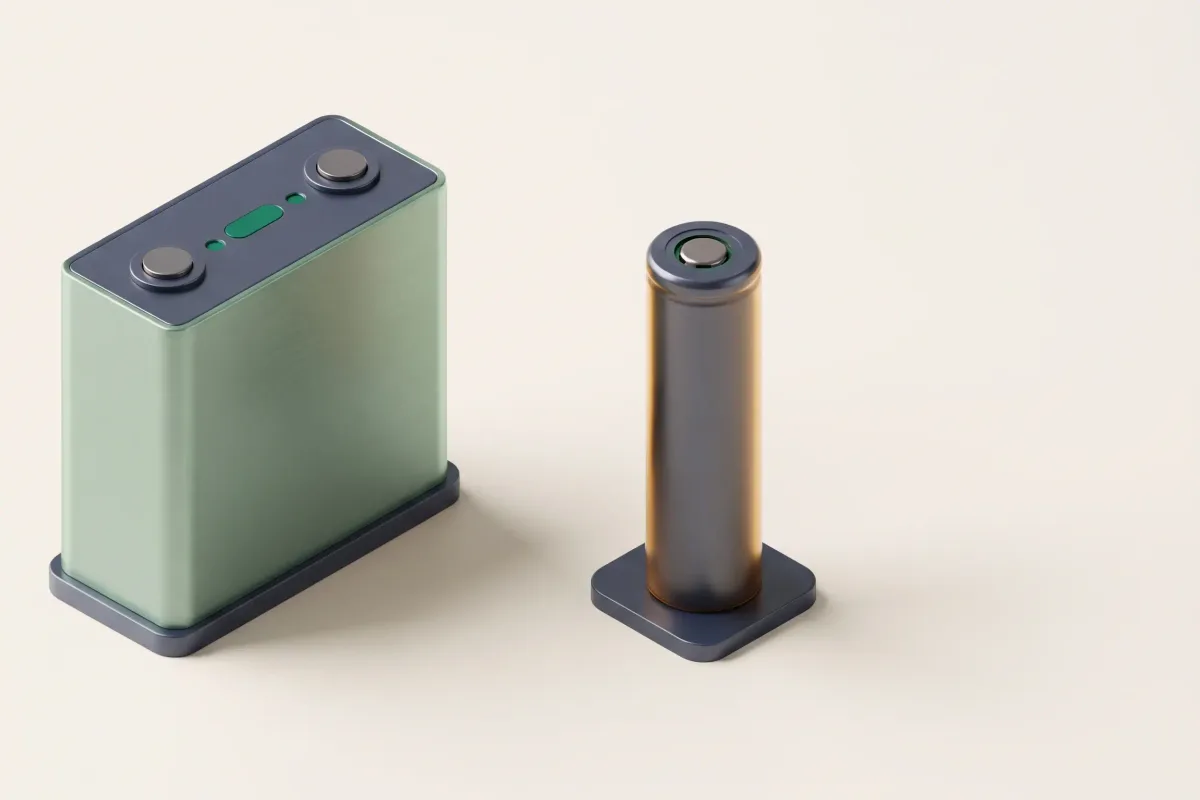
- LiFePO4, also written LFP, uses lithium iron phosphate.
- NMC, or "ternary lithium", uses lithium nickel manganese cobalt oxide. It's the chemistry in most laptops, phones and many older power stations.
When a power station spec sheet just says "lithium-ion" without more detail, it usually means NMC. Manufacturers that use LFP almost always say so, because it's a selling point.
Side by side
How the two chemistries compare on what matters to buyers
| Feature | LiFePO4 (LFP) | NMC lithium-ion |
|---|---|---|
| Rated cycle life | Thousands | Hundreds (older models) |
| Heat tolerance | Higher | Lower |
| Cell energy density | ~90–120 Wh/kg | ~150–220 Wh/kg |
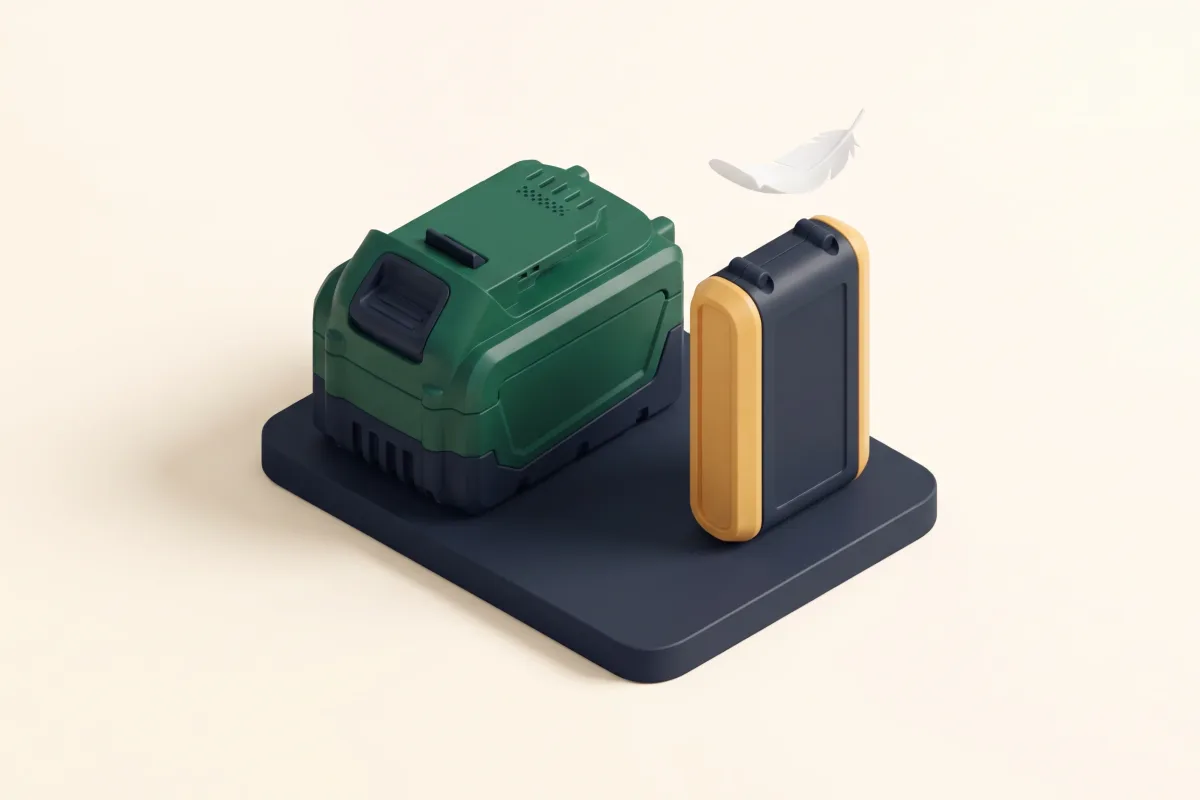
| Weight for the same capacity | Heavier | Lighter |
| Charging below freezing | Avoid unless managed | Also limited |
| Current major-brand stations | Nearly all | Older or ultralight models |
Ranges are approximate and vary by cell design. Cycle life depends on how a manufacturer defines it (usually cycles until capacity falls to 70–80%).
Cycle life: what the ratings mean
Thousands of cycles is more years than most people will use
A cycle is one full charge and discharge. Manufacturers rate cycle life as the number of cycles until the battery still holds a set share of its original capacity, usually 80% or 70%. These are the rated cycle lives of current models:
| Model | Chemistry | Rated cycle life |
|---|---|---|
| Anker SOLIX C1000 Gen 2 | LFP | 4,000 cycles to ≥80% |
| Anker SOLIX C2000 Gen 2 | LFP | 4,000 cycles |
| EcoFlow DELTA Pro 3 | LFP | 4,000 cycles to 80% |
| Anker SOLIX S5000 | LFP | 6,000 cycles to 80% |
| Anker SOLIX S2000 | LFP | 10,000 cycles to 60% |
| DJI Power 1000 | LFP | 4,000 cycles |
| Bluetti AC180 | LFP | 3,500+ cycles |
| Bluetti Elite 200 V2 | LFP | 3,000+ cycles to 80% |
| Jackery Explorer 300 | NMC | 500 cycles to 80% |
| Anker SOLIX F3800 Plus | LFP | 3,000+ cycles |
What does 3,000 cycles mean in practice?
Years to reach 3,000 full cycles
- One full cycle every day8.2 years
- Every other day16.4 years
- Twice a week28.8 years
Even daily use won't reach a 3,000-cycle rating for about eight years.
Batteries also age with time, heat and how they're stored, so the calendar can matter as much as the cycle count. But for most owners, an LFP station's battery is unlikely to be the first thing to wear out.
Safety and heat tolerance
Why LFP is the more forgiving chemistry
Storage habits matter too (see how to store a portable power station). No lithium battery is risk-free (see our list of power station recalls), but the chemistries behave differently when they overheat or are damaged. In cell-level testing, LFP cells begin self-heating at roughly 150–170 °C, compared with about 90–110 °C for NMC, and release roughly half as much energy per amp-hour if they go into thermal runaway. Exact figures vary with cell design and test method, but the direction is consistent across sources.
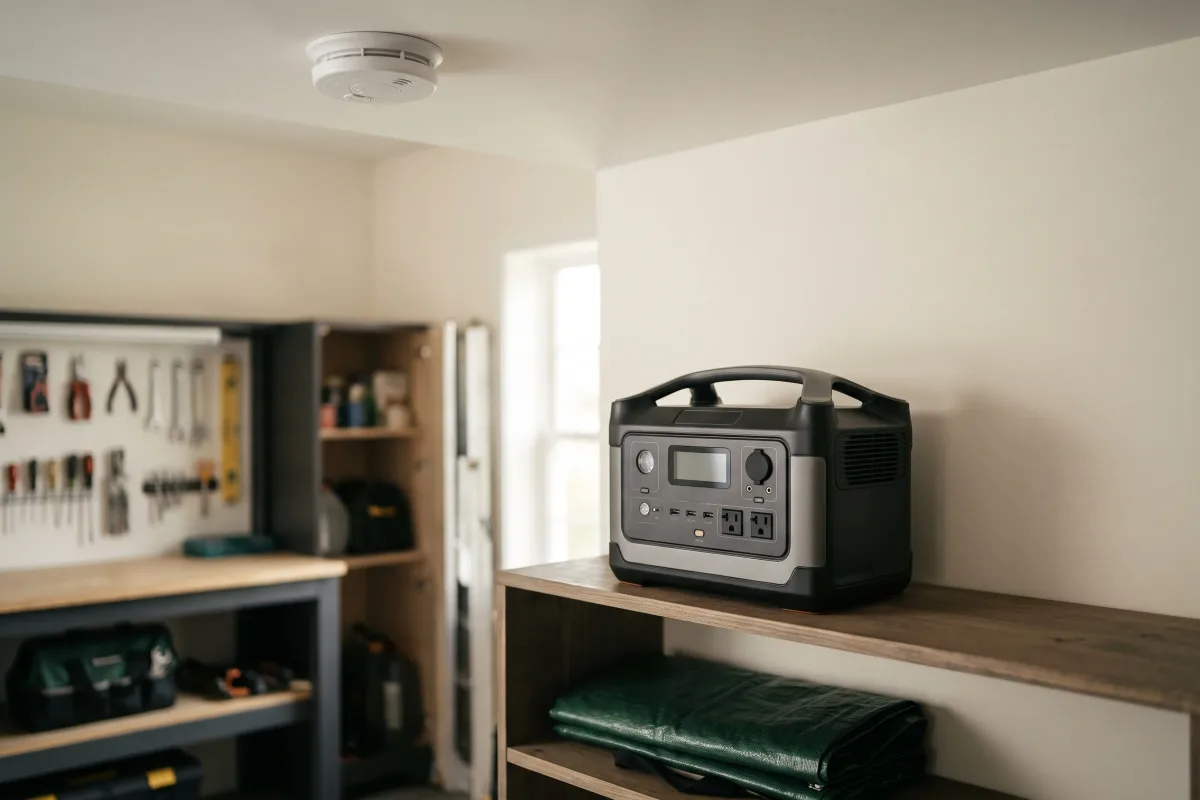
In practice, that means an LFP station has more margin if it's left in a hot car, damaged in a fall, or charged by a faulty source. It doesn't replace good habits: keep vents clear, avoid extreme heat, use the manufacturer's chargers, and check for recalls.
Weight and size
NMC's one big advantage
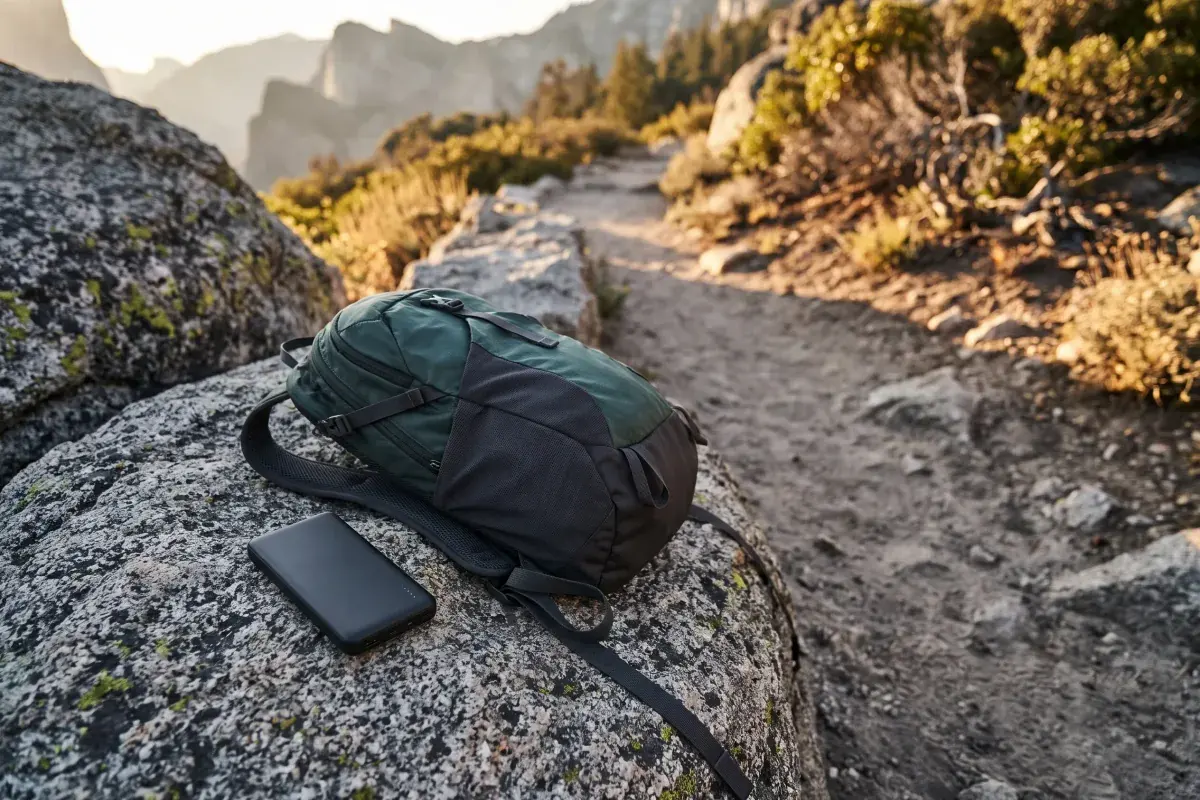
NMC stores more energy per kilogram, so for the same watt-hours an NMC station is lighter and often smaller. That's why ultralight power banks and some compact camping units still use it. For stations from roughly 500 Wh upward, most buyers accept LFP's extra weight for its longer life, especially for home backup, where the unit rarely moves.
Cold weather
Both chemistries need care below freezing
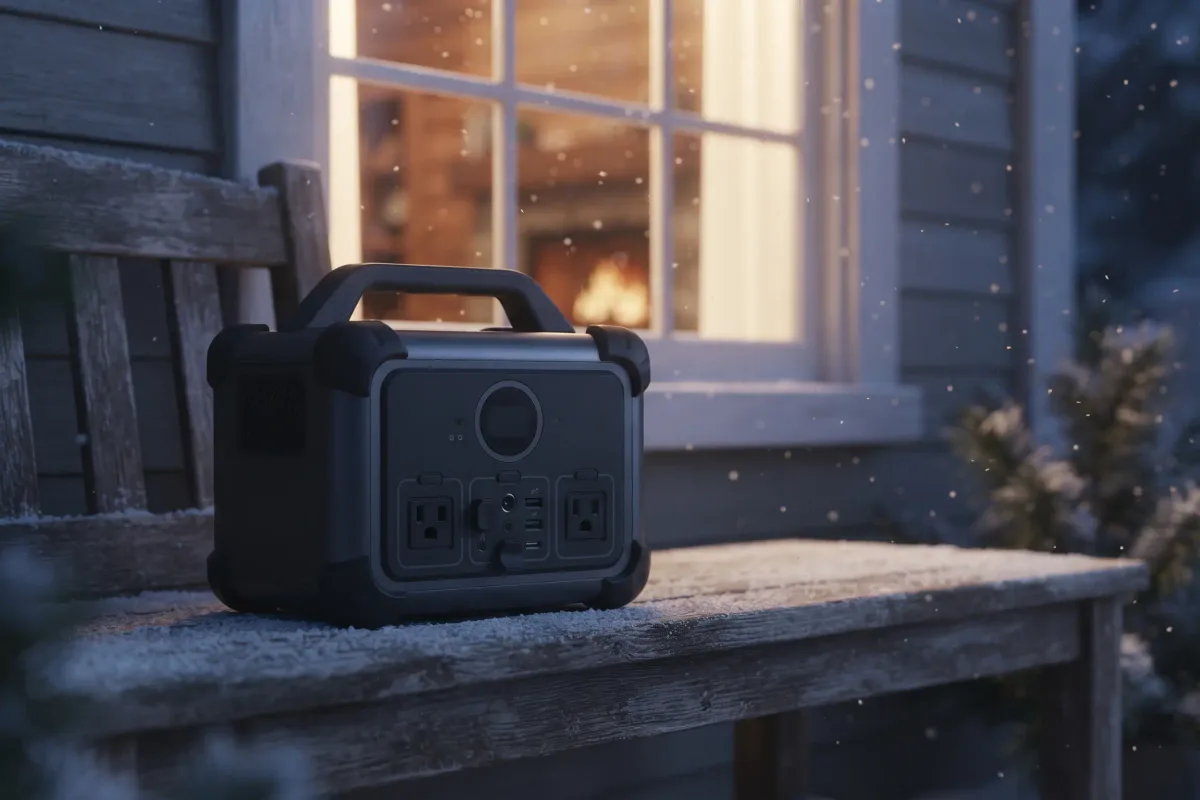
Charging lithium batteries below freezing can damage them, and LFP is especially sensitive to it. Many stations block or limit charging at low temperatures, and some include battery heating. Discharging in the cold is usually allowed but delivers less energy. If you'll use a station in winter, check its charging temperature range on the spec sheet, and keep it somewhere warm when you can. Our runtime calculator assumes moderate temperatures, so expect less in the cold. For solar charging in the cold, see how to charge a power station with solar.
When NMC still makes sense
Situations where the lighter chemistry wins
- Weight matters most: backpacking or carrying the unit long distances.
- A good deal on a used or older model: fine for occasional use, as long as you account for a lower cycle rating and the battery's age.
- Small power banks: almost all phone and laptop power banks are NMC-type cells.
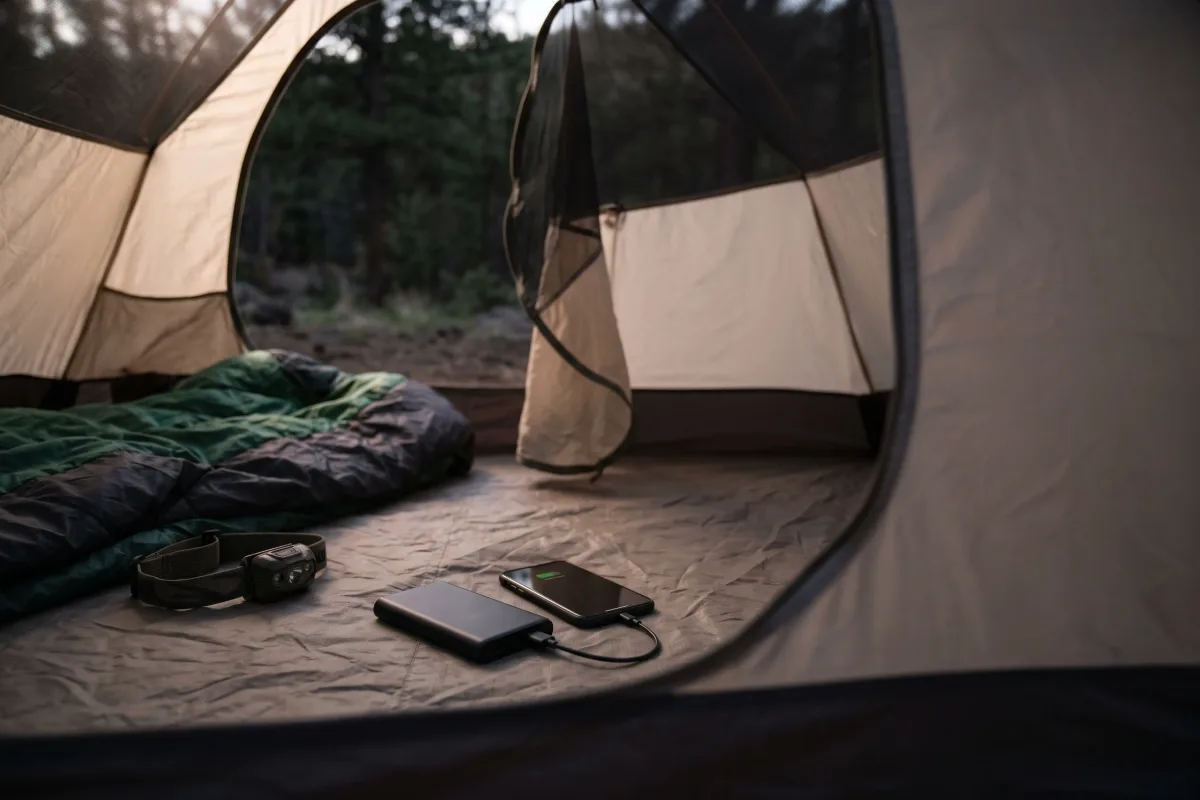
For anything you'll cycle often or rely on for home backup, choose LFP.
How to check what you're buying
Three things to look for on the spec sheet
- Cell chemistry: "LiFePO4" or "LFP". If it only says "lithium-ion", assume NMC.
- Rated cycle life and the end-of-life percentage: "3,000 cycles to 80%" is clearer than "3,000+ cycles".
- Warranty length: a longer warranty is the manufacturer standing behind the battery.
Then size it for your needs with watts and watt-hours in mind.
Ready to choose a station? See The Best Portable Power Stations.
FAQ
Quick answers to common questions
Is LiFePO4 the same as lithium-ion?
LiFePO4 is a type of lithium-ion battery. In power station marketing, "lithium-ion" usually refers to NMC, the other main type.
Is a LiFePO4 power station worth the extra weight?
For most uses, yes. You get a much higher cycle rating and better heat tolerance. The exception is when every pound counts, such as backpacking.
Do LiFePO4 power stations lose capacity over time?
Yes, all batteries do, through use and age. LFP's high cycle ratings mean the loss is usually gradual over many years. Storing it partially charged and away from heat helps.
Can I leave a LiFePO4 power station plugged in?
Most stations are designed to manage charging safely, and many support always-on backup modes. Follow your manual's guidance on long-term storage charge levels.